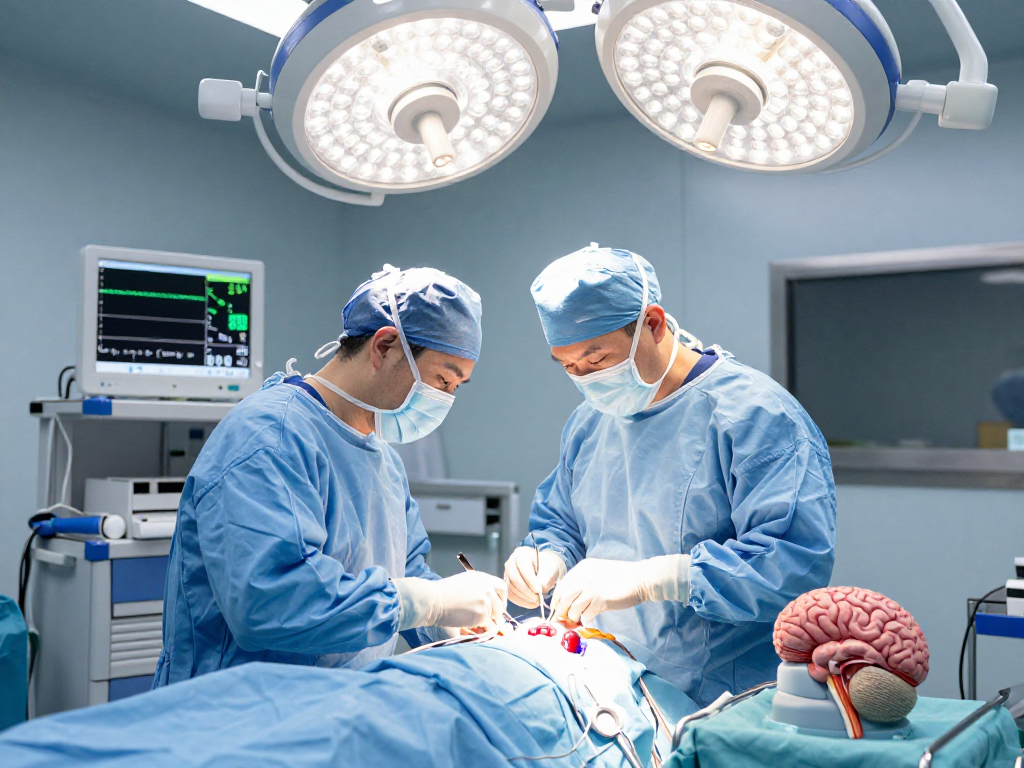
Understanding Beyin Tümörü Ameliyatı
Beyin tümörü ameliyatı represents a critical intervention in the management of both benign and malignant brain tumors. As medical advancements have evolved, so too have the techniques utilized in neurosurgery, enhancing both safety and efficacy. This comprehensive guide explores the multifaceted aspects of brain tumor surgery, including preoperative considerations, the surgical process, and postoperative care. For patients and their families seeking insights about their diagnoses and treatment options, understanding the nuances of beyin tümörü ameliyatı is paramount to navigating this challenging health journey.
What Is a Brain Tumor Surgery?
Brain tumor surgery is a surgical procedure aimed at removing tumors located within the brain or its surrounding tissues. Depending on the tumor's type, location, and the patient's neurological status, various surgical approaches may be employed. The possibility of using minimally invasive techniques has increased, allowing for better outcomes with reduced recovery times.
Importance of Neurosurgery in Treating Tumors
Neurosurgery plays a pivotal role in the treatment of brain tumors, providing not only a potential cure but also symptom relief. Advanced surgical techniques enhance the ability to safely remove tumors while preserving critical brain functions. Neurosurgeons utilize extensive training and state-of-the-art technology to navigate the complex structures of the brain.
Types of Brain Tumors and Their Surgical Approaches
Brain tumors can be categorized into various types, including:
- Meningiomas: Typically arising from the meninges, these tumors are generally benign but can cause significant symptoms depending on their size and location.
- Glial tumors: Including glioblastoma multiforme (GBM) and astrocytomas, these can be aggressive and may require a more complex surgical approach.
- Metastatic tumors: Resulting from other cancers spreading to the brain, treatment strategies often involve a multidisciplinary approach.
Preoperative Considerations for Beyin Tümörü Ameliyatı
Before undergoing brain tumor surgery, several critical preoperative considerations must be addressed to optimize patient outcomes. These involve comprehensive assessments, diagnostic imaging, and a detailed understanding of the patient's overall health condition.
Diagnostic Procedures Before Surgery
Diagnostic imaging, such as MRI or CT scans, is essential for accurately identifying the tumor's location, size, and potential impact on surrounding brain structures. Neurological evaluations are also conducted to assess the patient's cognitive and motor functions.
Patient Evaluation and Selection
Not every patient is a suitable candidate for surgery. Factors such as the patient's overall health, tumor type, and location influence the decision to proceed with surgical intervention. A thorough evaluation by a neurosurgical team is crucial.
Preparing Patients for Surgery: What to Expect
Patients will receive information regarding the surgical process, including what to expect on the day of the procedure. Preoperative instructions often include fasting and medication adjustments. Emotional and psychological support is also essential during this time.
The Surgical Process of Beyin Tümörü Ameliyatı
The surgical process for brain tumor removal is intricate and requires precision. Neurosurgeons employ various techniques, depending on the tumor's characteristics and location.
Step-by-Step Breakdown of the Surgery
During the procedure, the following steps are typically involved:
- Anesthesia: General anesthesia is administered to ensure the patient is unconscious and pain-free.
- Craniotomy: A section of the skull is removed to access the brain. This is tailored based on the tumor's location.
- Tumor Removal: Using advanced tools and imaging systems, the surgeon removes the tumor while monitoring brain functions to minimize damage to healthy tissue.
- Closing the Incision: The skull is then closed, and the surgical site is sutured.
Advanced Techniques in Neurosurgery
Innovative techniques such as intraoperative MRI and neuronavigation significantly enhance the accuracy of tumor removal. Additionally, awake surgeries allow for real-time feedback from the patient, ensuring critical functions are preserved during the intervention.
Role of Technology and Equipment in Surgery
Modern technology plays a vital role in neurosurgery. High-resolution imaging tools help surgeons visualize tumors and their relationship to surrounding structures, improving surgical outcomes.
Postoperative Care and Recovery
Postoperative care is critical in ensuring a successful recovery. Following surgery, patients must be monitored for complications and provided with supportive care.
Immediate Aftercare and Monitoring
After surgery, patients are typically moved to a recovery unit for close monitoring. This includes checking vital signs, neurological status, and managing pain effectively.
Long-term Recovery Process
The long-term recovery process can vary significantly among patients. It often includes rehabilitation services such as physical and occupational therapy, especially if there were any neurological deficits preoperatively.
Potential Complications and Follow-up Procedures
Complications can arise after brain tumor surgery, including infection, bleeding, and seizures. Follow-up visits are essential for monitoring recovery, managing any symptoms, and determining the need for additional treatments such as radiation or chemotherapy.
Innovations and Future Trends in Beyin Tümörü Ameliyatı
The field of neurosurgery is rapidly evolving, with ongoing research leading to new techniques and technologies that improve patient outcomes.
Emerging Technologies in Neurosurgery
Advancements such as robotic-assisted surgery and enhanced imaging techniques are likely to become more prevalent, allowing for even greater precision in brain tumor surgeries.
Predicting the Evolution of Brain Surgery Techniques by 2026
As the field continues to grow, innovations will likely focus on minimally invasive techniques, reducing recovery times and improving overall surgical outcomes. The integration of AI in surgical planning and execution is also on the horizon.
Patient Perspectives and Expectations
Understanding patient perspectives is crucial in tailoring treatment plans. Many patients prioritize quality of life post-surgery, making it essential for practitioners to consider this in their approach.
What Are the Symptoms of a Brain Tumor?
Common symptoms of brain tumors may include headaches, seizures, changes in vision, and cognitive difficulties. Early detection can significantly influence treatment success.
How Can Patients Prepare for Surgery?
Preparation involves both physical and mental readiness. Patients should adhere to preoperative instructions, ensure support systems are in place, and address any concerns with their healthcare providers.
What Are the Risks Involved in Brain Surgery?
All surgeries carry risks, but brain surgery may result in specific complications such as neurological deficits, infections, or adverse reactions to anesthesia. A thorough discussion with the surgical team can clarify these risks.
What Is the Role of Gamma Knife in Treating Brain Tumors?
Gamma Knife technology offers a non-invasive method for targeting brain tumors with precise radiation, effectively controlling tumor growth while minimizing damage to surrounding tissues.
Are All Brain Tumor Surgeries the Same?
No two brain tumor surgeries are alike. For more information, beyin tümörü ameliyatı offers valuable insights. The approach depends on tumor type, location, and the individual patient's condition, making personalized treatment essential.