Understanding the Concept of a Photo Wall
What is a Photo Wall?
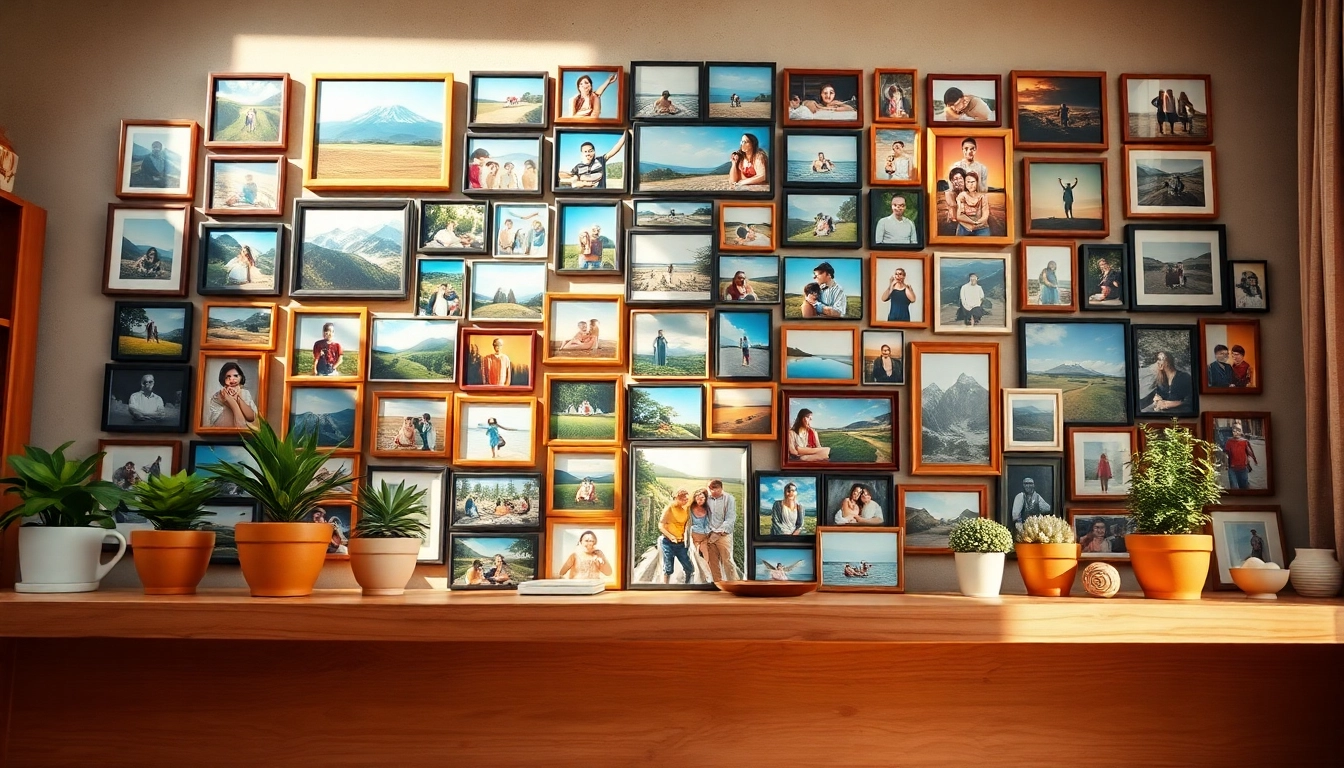
A photo wall is a curated display of photographs, typically arranged on a designated wall space within a home or business. This artistic focal point serves not only as a visual narrative of personal or professional milestones but also as a means to enhance the aesthetic appeal of any room. By combining colors, frames, and various media, a photo wall becomes a dynamic form of personal expression, capturing moments in time within an active living space or as a memorable decoration for events.
Benefits of Having a Photo Wall
Integrating a photo wall into your environment comes with numerous benefits, including:
- Personalization: A photo wall provides an opportunity to showcase personal experiences, enhancing the emotional warmth of your space.
- Conversation Starter: It acts as a centerpiece that can spark discussions and memories among guests, making them feel more at home.
- Artistic Value: A well-designed photo wall can enhance the interior design of a room, adding color and character.
- Flexibility: You can easily change the photos and layouts over time to reflect new experiences and aesthetics.
Common Styles for Photo Walls
Photo walls can vary widely based on personal style and the intended feel of the space. Some of the most popular styles include:
- Gallery Style: Featuring a mix of different sized frames and photos, this style mimics an art gallery.
- Grid Layout: Uniformly sized frames arranged in a straight grid create a minimalist and modern look.
- Eclectic Design: A random assortment of frames, colors, and photos provide a playful and casual vibe.
- Framed Canvas: This style uses canvas prints instead of traditional glass frames for a contemporary feel.
Planning Your Photo Wall Layout
Selecting the Right Location
When planning your photo wall, the location plays a vital role. Consider areas such as living rooms, hallways, or even staircases where they can catch the eye. Ensure the spot you choose has sufficient natural light and that the space allows for ample viewing distance. Avoid spots where clutter might detract from the visuals, as a clean and organized wall enhances focus on the photographs.
Choosing a Color Scheme
Color coordination is essential for a cohesive look. Decide on a color palette that aligns with your existing décor and personal preference. Whether you opt for monochromatic tones that evoke elegance or vibrant colors that exude energy, ensure it harmonizes with your room’s overall vibe, enhancing visual interest without overwhelming the viewer.
Arranging Pictures Effectively
Arranging pictures involves both a creative vision and technical execution. Start by laying out your planned arrangement on the floor; this gives you a comprehensive view of how it will work in the intended space. Mix and match frame sizes, angles, and orientations to allow for visual interest. Use painter's tape to outline where the frames will hang on the wall, ensuring everything fits as you envisioned.
Tips for Personalizing Your Photo Wall
Incorporating Various Frame Styles
Incorporating various styles of frames is an effective way to add depth and character to your photo wall. Consider using a mix of wood, metal, and acrylic frames, or even no frames at all with canvas photos. This diversity can reflect your personality while maintaining a unified aesthetic if they share common colors or materials.
Adding Text and Quotes
Including inspiring quotes or meaningful text adjacent to your photos can enhance their storytelling power. Choose quotes that resonate with the images displayed or highlight significant moments in your life. Typography can serve as a design element, adding further depth and artistic flair.
Utilizing Different Media Formats
Don’t feel limited to prints alone; consider integrating different media formats. You could combine framed photos, framed artwork, collages, or even small shelf displays with souvenirs or memorabilia. This integration allows for a richer story and adds multi-dimensionality to your photo wall.
Techniques for Creating a Cohesive Design
Balancing Positive and Negative Space
Effective design involves balancing positive space (the area occupied by the elements) and negative space (empty space around the elements). This balance prevents the wall from feeling overcrowded while allowing key images to stand out. Be selective about the number of images displayed, ensuring that the arrangement doesn’t compromise the flow of space.
Visual Flow and Storytelling Elements
Create a narrative by arranging the photos in a way that leads the viewer's eye naturally through the collection. Group photos thematically or chronologically; this storytelling approach adds emotional depth. For instance, you could create a visual journey of a family through vacations, milestones, and everyday moments.
Enhancing with Decorative Accessories
Adding decorative accessories such as wall art, clocks, or plants can enhance the photo wall's visual interest. Use these elements to frame the photo wall or draw attention to it without overshadowing the main attraction—your photographs. Carefully curated accessories complement photos well, providing layers to your design.
Maintaining and Updating Your Photo Wall
Regularly Refreshing Your Photos
A photo wall should reflect your current life stages and experiences. Regularly updating photos helps keep the wall fresh and engaging. You could dedicate specific times a year to refresh the photos, perhaps at the start of each season or after significant family events, ensuring it never becomes stagnant.
Seasonal Updates and Themes
Embrace seasonal themes by changing your photo selection according to holidays, seasons, or major life events. For example, during the winter holidays, incorporate photos that evoke a cozy, festive mood. This approach adds excitement and reflects the ever-evolving story of your life.
Tips for Preserving Photo Quality
To maintain the quality of your photos over time, opt for UV-blocking glass or acrylic when framing images. This will protect the colors from fading due to sunlight exposure. Additionally, consider printing your photos on archival paper to ensure longevity. Regular cleaning of the frames and wall space will keep everything looking pristine.
FAQs About Creating a Stunning Photo Wall
1. What should be the ideal size for a photo wall?
The ideal size depends on the available wall space. A larger wall can accommodate a more extensive collection, while smaller walls might require fewer, more impactful pieces.
2. How do I choose the right frames for my photos?
Select frames that complement each other in color and style. Mixing sizes creates visual interest, but ensure they share a common element for cohesion.
3. Can I include different types of media on my photo wall?
Yes! Mixing photo frames with canvas prints, artwork, and accessories offers a rich and dynamic display.
4. How often should I update my photo wall?
Regular updates, ideally every 6-12 months, keep your display fresh and reflective of your current life experiences and events.
5. What’s the best way to preserve the quality of my photos?
Use UV-blocking glass in frames and opt for archival paper for prints to protect against fading and wear over time.