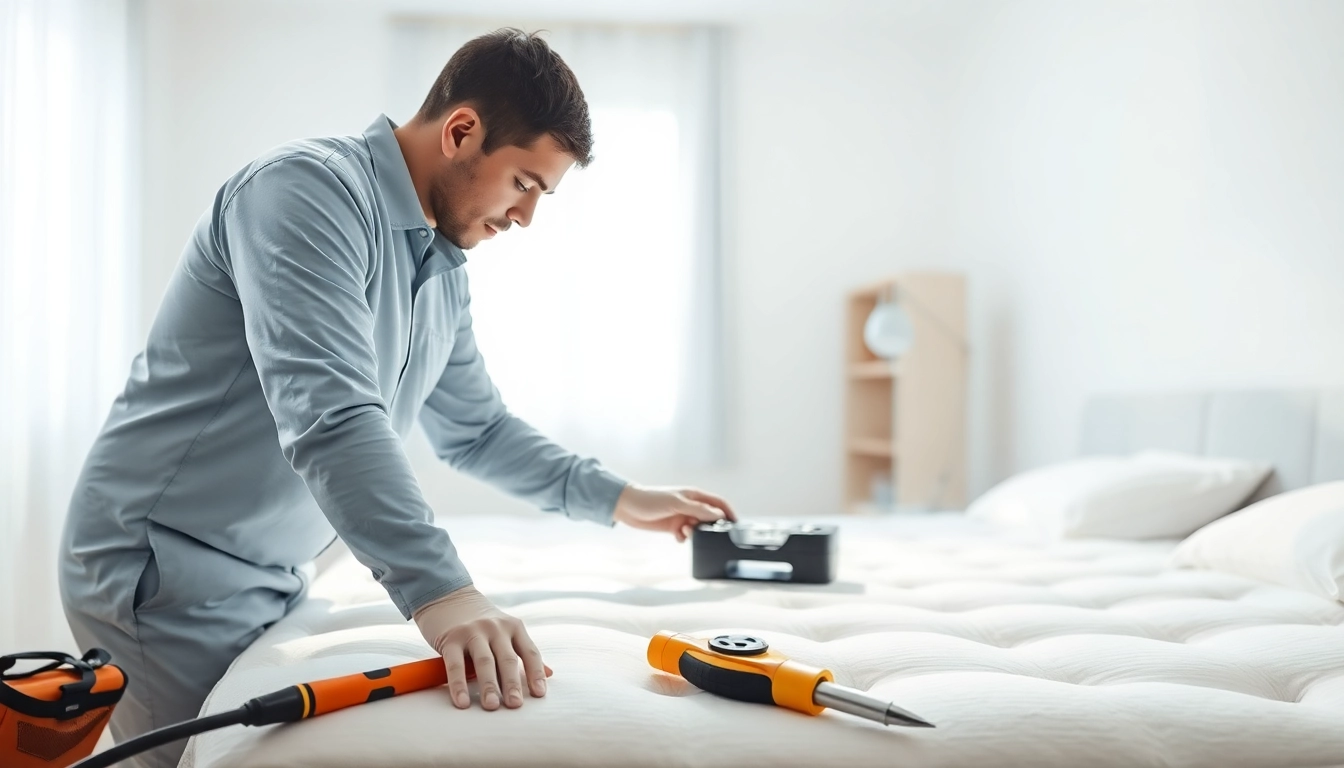
Understanding Bed Bug Control
What Are Bed Bugs?
Bed bugs, scientifically known as Cimex lectularius, are small, nocturnal insects that primarily feed on the blood of humans and animals. These pests are about 4-5 mm in length and can easily hitch a ride on personal belongings, luggage, or clothing, making them notorious travelers. While they don’t transmit diseases, their bites can lead to significant discomfort, irritation, and secondary infections. Understanding their biology and behavior is crucial for effective bed bug control.
Common Signs of Infestation
Identifying a bed bug infestation early is key to effective control. Here are some common signs that indicate you may have a bed bug problem:
- Itchy Bites: Bed bug bites often lead to red, itchy welts on the skin. These bites usually occur in clusters or lines.
- Blood Stains: Small blood stains on bed linens or pajamas can be a sign that bed bugs have fed during the night.
- Dark Spots: You may also notice dark spots or smears on mattresses and walls, which is a mix of bed bug excrement and blood.
- Eggs and Shedded Skin: Bed bug eggs are tiny and white, and you might find them in places where bed bugs hide, such as seams of mattresses, cracks, and crevices.
- Live Bugs: Seeing tiny, brownish insects, especially in and around your bed, is a clear indicator of an infestation.
Why Control is Essential
Controlling bed bugs is essential not only for comfort but also for mental well-being. An infestation can cause stress and anxiety, affecting sleep patterns and quality of life. If left unaddressed, bed bugs can multiply rapidly, making eradication more difficult and expensive. Furthermore, an infestation can lead to social stigma or difficulties in housing and travel. Therefore, proactive bed bug control is necessary to maintain a healthy living environment.
DIY Bed Bug Control Methods
Initial Steps to Take
When faced with a potential bed bug infestation, the first step is always to confirm the presence of these pests. Begin your DIY bed bug control efforts by thoroughly inspecting your home, focusing on areas like your mattress, bed frame, and surrounding furniture. Here are initial steps to consider:
- Declutter: Reduce clutter in your living spaces to limit hiding spots for bed bugs.
- Wash Bedding: Regularly wash all bedding and linens in hot water to kill any bed bugs present.
- Vacuum Thoroughly: Use a vacuum cleaner with a sealed bag to remove any visible bugs and eggs. Pay special attention to seams and joints in your mattress and bed frame.
- Seal Cracks: Fill in any cracks and crevices in your walls or furniture where bed bugs can hide.
Homemade Remedies
For those who prefer natural solutions, several homemade remedies can be employed as part of a DIY approach. Keep in mind that while these methods can help, they may not completely eradicate the infestation:
- Essential Oils: Certain essential oils like lavender, tea tree, and peppermint are known to repel bed bugs. Dilute these oils and spray them in affected areas.
- Diatomaceous Earth: This natural powder can be spread around areas where bed bugs are suspected. It kills bugs by dehydrating them.
- Soap and Water: A mixture of soap and water can disrupt the protective outer layer of bed bugs, leading to their demise. Spray this mixture where bed bugs are found.
Tools You Can Use
The right tools can enhance your DIY bed bug control efforts. Here are some effective tools to consider:
- Vacuum Cleaner: An effective vacuum can physically remove bed bugs from your home.
- Steam Cleaner: High-temperature steam can kill bed bugs on contact and is effective for furniture and carpets.
- Bed Bug Traps: These traps can help monitor and capture bed bugs, allowing for early detection.
- Heat Sources: Bed bugs die at temperatures above 120°F (49°C). A portable heater can be used in non-flammable areas to treat infested items.
Professional Bed Bug Control Solutions
When to Call a Professional
While DIY methods can be effective for minor infestations, there are instances when it's wise to call in a professional:
- Severe Infestation: If you have a large or widespread infestation, professionals have access to more potent and effective tools that are necessary for eradication.
- Recurring Problems: If DIY attempts have failed, it is a sign that the infestation is more severe than initially believed.
- Health Concerns: Those with allergies or who are sensitive to pesticides may prefer to rely on professional services that provide safer alternatives.
What to Expect from Services
When hiring a pest control service, it's crucial to understand what to expect. The process typically includes:
- Comprehensive Inspection: A technician will start with a thorough inspection of your property to identify the extent of the infestation.
- Customized Treatment Plan: Based on their findings, professionals will recommend customized treatment options, which may include heat treatments, chemical sprays, and more.
- Follow-Up Visits: Multiple treatments may be necessary for effective eradication. Expect follow-up visits to ensure that all bed bugs are eliminated.
Choosing the Right Service Provider
Selecting the right pest control service is critical. Here are some tips for making the best choice:
- Experience: Look for companies with a proven track record in bed bug control.
- Reviews and Recommendations: Research customer reviews and seek recommendations from friends or family.
- Certifications: Ensure that the service provider meets local regulations and holds necessary certifications.
- Transparency: A reputable company should clearly explain their methods, pricing, and expected outcomes.
Preventative Measures for Bed Bug Control
Tips to Avoid Infestation
Preventing a bed bug infestation is far easier than eliminating one. Here are proactive steps you can take:
- Regular Inspections: Frequently check for signs of bed bugs, especially after travel or having guests.
- Protective Covers: Use mattress and box spring encasements to prevent bed bugs from accessing these areas.
- Manage Clutter: Maintain an organized space to reduce potential hiding spots.
Best Practices for Travel
Traveling is a common way to pick up bed bugs. Here are strategies to minimize your risk:
- Inspect Hotel Rooms: Before unpacking, check mattresses and furniture for signs of bed bugs.
- Use Luggage Liners: Utilize protective luggage liners to keep your belongings safe from unwanted pests.
- Wash Clothes Immediately: Upon returning home, wash your clothes in hot water to eliminate potential hitchhikers.
Ongoing Maintenance Strategies
Once you've resolved a bed bug issue, continuous vigilance is necessary. Implement these ongoing maintenance strategies:
- Stay Informed: Educate yourself about bed bugs to recognize signs and take action quickly.
- Regular Cleaning: Maintain a routine cleaning schedule, focusing on high-risk areas.
- Monitor for Recurrences: Continue using traps and conduct regular inspections to catch any new infestations early.
FAQs About Bed Bug Control
Should I throw out my mattress if I have bed bugs?
No, you do not need to dispose of your mattress. It's important to focus on effective treatment methods without contributing to the spread.
What are some effective home remedies for bed bug control?
Home remedies include using high heat, vacuuming thoroughly, and applying diatomaceous earth in infested areas.
How do professionals handle bed bug infestations?
Professionals typically use a combination of insecticides, heat treatments, and thorough inspections to eliminate bed bugs.
How can I prevent bed bugs when traveling?
Check hotel beds and headboards upon arrival, keep luggage off the floor, and promptly wash clothing when returning home.
What’s the cost of bed bug control services?
Costs vary by region and severity of infestation, but expect to pay between $300 and $1,500 based on the treatment required.