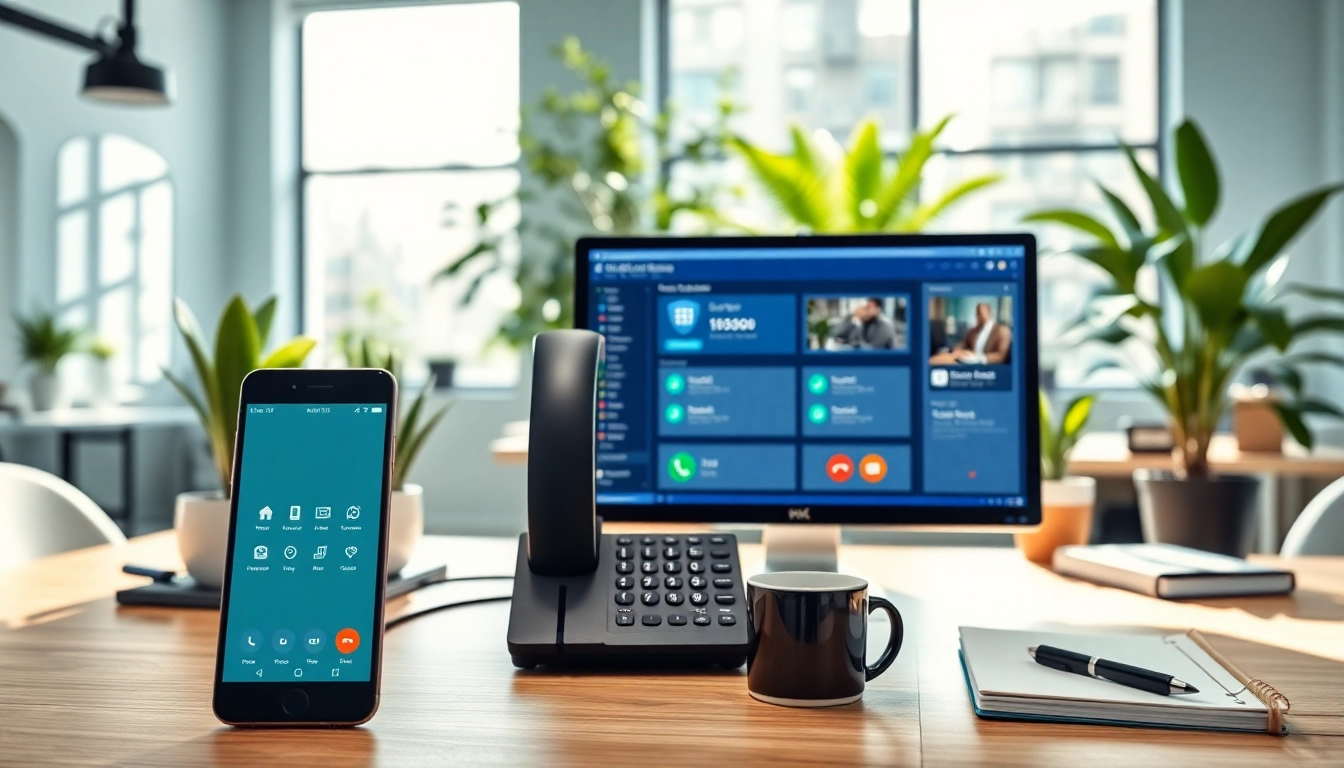
Understanding Phone Systems for Small Business
In today's fast-paced business world, effective communication is paramount for ensuring operational efficiency and customer satisfaction. One key component of successful communication is the selection of a suitable phone system. Businesses, especially small ones, must carefully consider their options to choose the ideal phone systems for small business that align with their unique needs and objectives. This article delves into the intricacies of phone systems tailored for small businesses, providing insights into the various types, features, benefits, implementation strategies, and best practices for optimizing these systems.
What Are Phone Systems for Small Business?
Phone systems for small business refer to the technology solutions that facilitate communication through voice calls, messaging, and video conferencing. These systems can significantly enhance internal collaboration among employees and improve interactions with customers. In essence, they serve as the backbone of a company's communication strategy, allowing seamless connectivity across various platforms.
Key Features to Look For
When selecting phone systems for small business, consider essential features that can drive productivity and streamline communications. Some must-have features include:
- Call forwarding: Ensures calls reach the right person, improving response times.
- Voicemail to email: Transforms voicemails into transcription emails, minimizing missed messages.
- Interactive Voice Response (IVR): Provides customers with menus to self-direct their inquiries, reducing wait times.
- Mobile compatibility: Allows employees to stay connected, regardless of location.
- Analytics and reporting: Offers insights into call volume and performance metrics for informed decision-making.
Benefits of Implementing Phone Systems for Small Business
Implementing phone systems can provide numerous advantages, including:
- Enhanced communication: Streamlined communication enhances collaboration and reduces the chances of errors.
- Cost efficiency: Modern phone systems, especially VoIP, can substantially lower communication costs.
- Scalability: As a business grows, the phone system can easily adapt to meet increasing demands.
- Improved customer service: Faster and more efficient communication channels lead to higher customer satisfaction rates.
Types of Phone Systems for Small Business
Traditional Analog vs. VoIP Systems
Small businesses can choose between traditional analog systems and modern VoIP (Voice over Internet Protocol) systems. Analog systems utilize conventional telephone lines and are often more straightforward to set up. However, they lack flexibility and advanced features. In contrast, VoIP systems use the internet to facilitate calls, offering significantly higher flexibility and a range of additional features, making them the preferred choice for many contemporary businesses.
Cloud-Based Solutions
Cloud-based phone systems are increasingly popular among small businesses due to their numerous advantages. These systems host services and data securely on the cloud, allowing users to access features via the internet. This setup eliminates the need for extensive hardware and maintenance, resulting in reduced operational costs and the ability to scale up or down with ease.
Hybrid Systems: The Best of Both Worlds
Hybrid systems combine both traditional and VoIP technologies, providing businesses with the flexibility to use existing infrastructure while integrating modern features. These systems are particularly advantageous for businesses transitioning from traditional setups, ensuring minimal disruption to daily operations.
Implementing Phone Systems for Small Business
Steps to Assess Your Needs
Before implementing a phone system, businesses should assess their specific communication needs. This involves analyzing call volume, peak call times, and employee requirements. Engaging stakeholders in discussions can provide valuable insights, ensuring the selected system aligns with organizational goals.
Choosing the Right Provider
Investing time in researching and selecting the right phone system provider can lead to substantial long-term benefits. Look for providers that offer comprehensive support, favorable pricing, positive reviews, and a track record of delivering reliable service. Don’t hesitate to ask for demos or trial periods to evaluate the service before committing.
Installation and Integration Processes
Once a provider has been chosen, the installation of the phone system should be planned meticulously to avoid disruptions. This includes preparing the necessary equipment, training staff on new features, and ensuring compatibility with existing technologies. Proper integration can help maximize the effectiveness of the new phone system.
Best Practices for Optimizing Phone Systems for Small Business
Training Employees for Maximum Efficiency
Effective training ensures that employees maximize the use of available features. Regular training sessions, workshops, and refresher courses can help staff become comfortable with the system, leading to increased usage and a better return on investment.
Utilizing Advanced Features
Many phone systems offer advanced features such as call analytics, team messaging, and integrations with other tools such as CRM software. Businesses should actively utilize these features to enhance productivity and streamline operations.
Maintaining and Upgrading Your System
Regular maintenance of the phone system ensures optimal performance over time. Schedule periodic reviews and updates with your provider, making necessary adjustments to adapt to changing business needs and incorporating new technologies as they emerge.
Measuring the Success of Your Phone Systems for Small Business
Key Performance Metrics to Track
Monitoring performance metrics is essential for evaluating the effectiveness of a phone system. Key metrics to track include call volume, average response time, and call resolution rates. These KPIs help identify areas for improvement and ensure that the system meets business objectives.
Gathering Employee and Customer Feedback
Soliciting feedback from employees and customers can provide valuable insights into the phone system’s performance. Regular surveys or informal discussions can highlight strengths and weaknesses, guiding adjustment strategies to enhance service delivery.
Continual Improvement Strategies
Fostering a culture of continuous improvement within the organization encourages regular evaluation and innovation. Establishing a feedback loop and being open to change allows businesses to stay competitive in a rapidly evolving technological landscape.
Frequently Asked Questions
1. What is the best phone system for my small business?
The best phone system depends on your unique needs, budget, and preferred features. Consider VoIP or cloud-based solutions for flexibility and advanced functionalities.
2. How much do phone systems for small business cost?
Costs can vary widely based on the system type and features. Generally, cloud-based and VoIP systems are more cost-effective compared to traditional analog systems.
3. Can I integrate my phone system with other tools?
Yes, many modern phone systems offer integrations with tools like CRM software, enhancing functionality and improving workflow.
4. How do I ensure my phone system is secure?
Choose a provider with robust security protocols, regularly update software, and train employees on best security practices. This helps minimize potential risks.
5. What if my needs change in the future?
Many phone systems are scalable, allowing you to adjust services as necessary. Regularly review and assess your systems to accommodate growth or changing requirements.
Contact Information
Address:Fareham Innovation Centre, PO13 9FUEmail Us:[email protected]Call Us:0333 015 2615