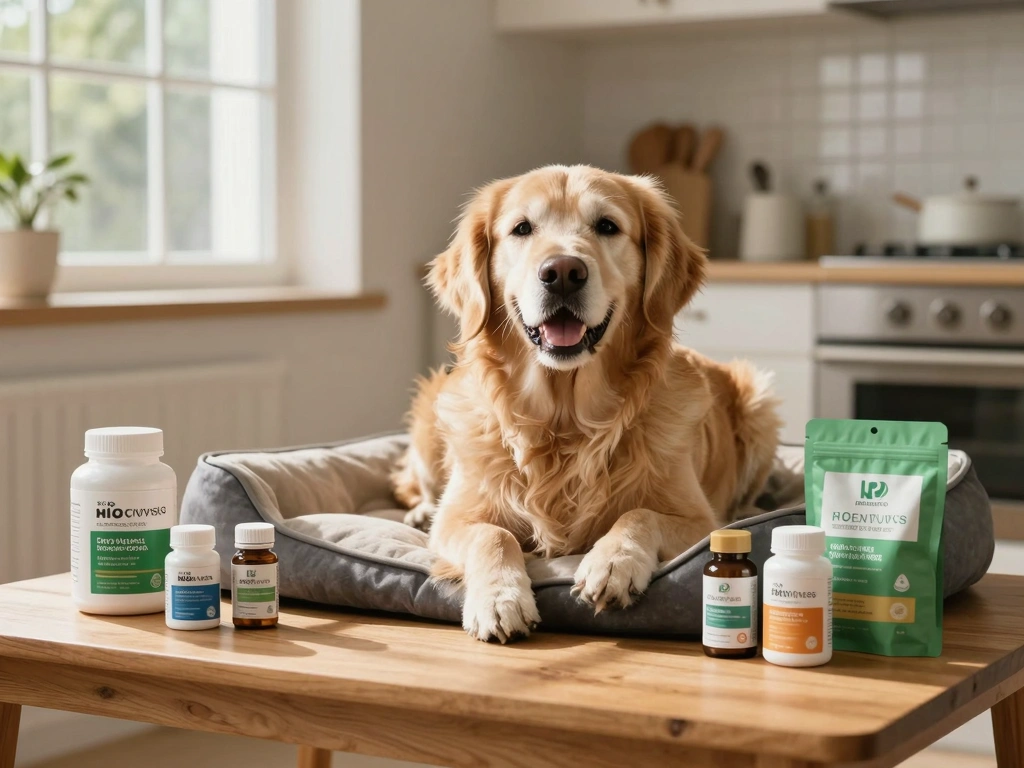
Understanding Calming Dog Treats
When faced with stress, dogs, like humans, often exhibit various behaviors that indicate they need support. Understanding how to manage this anxiety is crucial, and a beneficial way to do this is through the use of Calming Dog Treats. These treats are specifically formulated to help alleviate anxiety in dogs by combining natural ingredients known for their calming properties. This guide delves into what calming dog treats are, how they function, and what to look for when considering options for your furry friend.
What Are Calming Dog Treats?
Calming dog treats are specially formulated edibles designed to support a dog's emotional well-being during stressful situations. While they are not designed to sedate, they do provide nutritional support to help regulate mood and alleviate anxiety. These treats come in various forms, including soft chews, crunchy biscuits, and even powders that can be added to food. The right calming treat can significantly improve a dog’s response to anxiety-provoking situations such as thunderstorms, fireworks, or even changes in routine.
How Do Calming Dog Treats Work?
These treats typically work by combining several active ingredients that target stress response mechanisms in dogs. Ingredients such as valerian root, lemon balm, and L-theanine have been traditionally used for their calming effects. Together, they help alleviate anxiety without causing sedation, allowing dogs to remain alert and engaged. This is particularly important because treating anxiety effectively often requires a balanced approach that combines behavioral strategies with nutritional support.
Active Ingredients in Calming Dog Treats
Several key ingredients have been recognized for their efficacy in calming dog treats. Here are some of the most notable:
- Valerian Root: Known for its relaxing properties, valerian root is one of the most commonly used herbal remedies for anxiety.
- Lemon Balm: This herb is part of the mint family and has a soothing effect, making it beneficial for stressed-out dogs.
- L-Theanine: An amino acid found in green tea, L-theanine promotes calmness without drowsiness.
- L-Tryptophan: This essential amino acid helps boost serotonin levels, enhancing mood and emotional balance.
- Magnesium Citrate: Known to support nerve and muscle function, magnesium is vital during stressful episodes as it can be depleted more rapidly.
- Ashwagandha Root: An adaptogen that helps the body manage ongoing stress—ideal for dogs that experience chronic anxiety.
Why Dogs Experience Stress
Understanding the root causes of stress in dogs is fundamental for pet owners wishing to provide effective support. Stress can result from changes in environment, routine, or even everyday situations that might seem minor to us.
Common Triggers of Dog Anxiety
- Noises: Loud sounds from fireworks or thunderstorms can induce panic in many dogs.
- Separation: Dogs can experience significant stress when left alone, leading to destructive behavior.
- Travel: Long car rides or visits to the vet can trigger anxiety, particularly in dogs that are not accustomed to these experiences.
- New Environments: Changes in a dog's surroundings, such as moving to a new home or being in unfamiliar places, can lead to stress.
- Social Interactions: Dogs that are shy or fearful of unfamiliar people or animals may find social situations overwhelming.
Signs Your Dog May Benefit from Calming Treats
As a pet owner, being aware of your dog's behavior and recognizing the signs of stress is vital. Common indicators include:
- Pacing or restlessness
- Excessive barking or whining
- Seeking hiding places or showing signs of fear
- Destructive behavior, such as chewing furniture
- Loss of appetite or changes in eating habits
The Importance of Routine for Stress Reduction
Dogs thrive on routine, as it provides a sense of security and predictability in their environment. Establishing a consistent daily schedule for feeding, exercise, and socialization can significantly reduce anxiety. Integrating calming dog treats into this routine can offer additional support, helping dogs manage their stress more effectively.
Comparing Calming Dog Treats
With numerous calming products available in the market, it’s essential to differentiate between options to find what best suits your dog's needs.
HighV Calm & Relax vs. Other Options
The HighV Calm & Relax Dog Treats differ from many calming solutions available due to their unique combination of active ingredients and the transparency of ingredient amounts. Each chew contains specific quantities, allowing owners to fully understand and trust what they’re giving their dogs. In contrast, some competitors may present vague formulations that lack clarity on the efficacy of their ingredients.
Choosing the Right Treats for Your Dog
When selecting calming treats, consider your dog's unique needs, such as age, size, and specific stress triggers. Soft chews, like HighV Calm & Relax, are suitable for dogs of all breeds from 12 weeks of age and can cater to various anxiety levels. In contrast, crunchy options may benefit dogs who enjoy chewing but might not provide the same targeted support as softer formulations.
Key Differences in Ingredients and Effects
Understanding the differences in active ingredients among various brands can help in making an informed choice. Some products may rely heavily on a single calming agent, such as melatonin, while HighV blends multiple components, covering both immediate and long-term anxiety support. This multi-faceted approach can lead to more substantial benefits for dogs experiencing ongoing stress.
Best Practices for Feeding Calming Dog Treats
Incorporating calming treats into your dog's routine requires an understanding of how to administer them effectively for best results.
How to Incorporate Calming Treats into Your Dog's Diet
When introducing any new supplement or treat to your dog's diet, start gradually to monitor how they respond. Calming treats should be added at regular feeding times and can be given as a standalone treat or mixed with food.
Recommended Feeding Schedule
For optimal results, it is recommended to establish a feeding routine for your calming dog treats. Regular daily feeding of HighV Calm & Relax can take two to four weeks to show effects, so consistency is crucial. For known stressful situations, provide the treat about one to two hours beforehand to allow the active ingredients to take effect.
Monitoring Your Dog's Response to Treats
Observing your dog's behavior after adding calming treats to their diet is essential. Keep track of any changes in anxiety levels and overall demeanor, adjusting the quantity or frequency of the treats as needed. If you notice any adverse effects or if your dog's anxiety appears to be worsening, consult your veterinarian for guidance.
Frequently Asked Questions about Calming Dog Treats
Do Calming Treats Really Work for Dogs?
Many pet owners report positive results when using calming treats, especially those with a well-rounded ingredient profile. However, responses can vary, and it's important to choose a product aligned with your dog's specific needs.
Are Calming Dog Treats Safe for Puppies?
HighV Calm & Relax treats are suitable for puppies over 12 weeks of age. However, it's advisable to consult your veterinarian before introducing any new supplements, especially for younger dogs.
Can I Use Calming Treats with Other Supplements?
Yes, calming treats can be used alongside other health products, including probiotics and vitamins. However, discuss any potential interactions with your vet, especially if your dog is on medication.
How Long Does One Tub Last?
A standard tub of HighV Calm & Relax contains 60 soft chews. Depending on your dog's weight and anxiety level, this could last from two months for smaller breeds to about three weeks for larger dogs.
What to Do If My Dog Eats Too Many Treats?
If your dog consumes more than the recommended amount of calming treats, monitor them for any unusual symptoms, such as lethargy or gastrointestinal upset. In severe cases, contact your veterinarian for advice.