Understanding Astaxanthin
What is Astaxanthin?
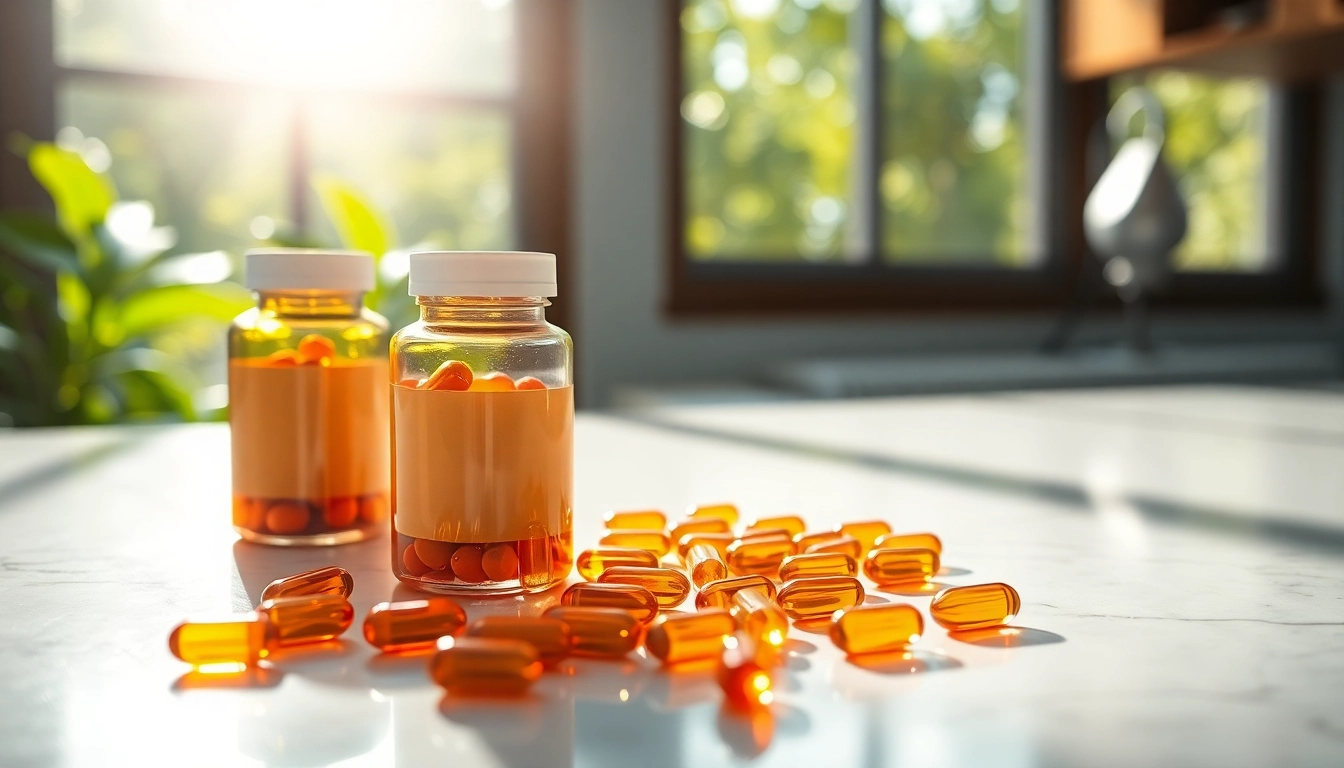
Astaxanthin is a potent carotenoid, which is a type of pigment found in various plants and microorganisms. It is primarily known for its vibrant red-orange color and is naturally produced by microalgae, as well as by crustaceans like shrimp, krill, and lobster. Astaxanthin is part of a larger family of compounds called carotenoids, which are recognized for their antioxidant properties. These antioxidants help protect cells from oxidative stress and may provide various health benefits when consumed as a dietary supplement.
Health Benefits of Astaxanthin
Research has suggested numerous health benefits associated with astaxanthin. Here are some of the key advantages:
- Powerful Antioxidant: Astaxanthin is considered one of the most potent antioxidants, significantly stronger than other carotenoids like beta-carotene and lutein.
- Supports Eye Health: It may help reduce eye fatigue, improve visual acuity, and protect against age-related macular degeneration.
- Enhances Skin Health: Astaxanthin has been linked to improved skin elasticity, moisture retention, and a reduction in the appearance of fine lines.
- Boosts Immune Function: Some studies indicate that it can enhance immune cell activity, helping the body defend against pathogens.
- Supports Exercise Performance: Athletes often use astaxanthin for its ability to reduce fatigue and muscle soreness, potentially improving endurance.
Sources of Astaxanthin
Astaxanthin can be sourced from various dietary sources, primarily marine life. The most notable sources include:
- Microalgae: The primary source of astaxanthin is Haematococcus pluvialis, a type of green microalga found in freshwater environments.
- Crustaceans: Shrimp, lobster, and crabs accumulate astaxanthin in their bodies, giving them their characteristic coloration.
- Fish: Salmon, trout, and other pink-fleshed fish are rich in astaxanthin due to their diet of algae and krill.
Safe Astaxanthin Dosage Guidelines
Recommended Daily Intake for Adults
When it comes to determining a safe astaxanthin dosage, studies suggest a range of 4 to 12 mg per day for most adults is both safe and effective. This dosage range is optimal for experiencing the health benefits without risking potential side effects. It is important to consult healthcare providers before starting any supplementation regimen, especially for individuals with underlying health conditions or those who are pregnant or breastfeeding.
Factors Influencing Dosage
Several factors can influence the appropriate dosage of astaxanthin for an individual:
- Age: Younger individuals may require different dosages compared to older adults based on metabolic differences.
- Health Status: Individuals with specific health conditions or those undergoing treatments may need tailored dosages.
- Dietary Intake: People who consume high amounts of astaxanthin-rich foods may need lower supplement dosages.
- Purpose of Use: The dosage may vary if astaxanthin is used for general wellness, athletic performance, or therapeutic purposes.
Astaxanthin Dosage for Specific Needs
Some individuals may require specific dosages for targeted health outcomes:
- For Eye Health: A dosage of 6 to 12 mg is often suggested to support eye function and prevent fatigue.
- For Skin Health: Studies indicate that 8 to 12 mg can help enhance skin elasticity and hydration.
- For Athletic Performance: A daily dose of around 4 to 6 mg can help improve endurance and recovery times.
Potential Side Effects of Astaxanthin
Common Side Effects
While astaxanthin is generally considered safe for most consumers, some may experience mild side effects, including:
- Stomach discomfort
- Changes in skin color (reddish tones if consumed in large amounts)
- Headaches
These side effects are usually mild and resolve shortly after discontinuing use.
Interactions with Medications
Astaxanthin may interact with certain medications, which could alter their effectiveness or exacerbate side effects. Notably:
- Blood thinners (e.g., warfarin) may have an increased risk of bleeding.
- Drugs for lowering cholesterol may interact, enhancing the effects.
Consulting with a healthcare professional is essential for those on prescribed medications.
When to Consult a Healthcare Professional
If you experience persistent side effects, have existing medical conditions, or are considering combining astaxanthin with other supplements or medications, it’s important to seek professional medical advice. Consultation is especially critical for pregnant or nursing women and individuals considering astaxanthin for younger children.
Best Practices for Taking Astaxanthin
Timing Your Supplement Intake
The timing of astaxanthin supplementation can influence its effectiveness. Taking it with meals—especially those that contain fat—can enhance absorption due to astaxanthin’s fat-soluble nature. This helps integrate the supplement into the body more efficiently.
Combining Astaxanthin with Other Supplements
Astaxanthin can be safely combined with other supplements. Nevertheless, it’s advisable to consult healthcare providers regarding synergistic effects—especially for antioxidants and vitamins—ensuring optimal outcomes without the risk of excessive dosages.
Maintaining a Balanced Diet
A balanced diet is key to maximizing the benefits of astaxanthin supplementation. Including foods rich in antioxidants, healthy fats, and a variety of fruits and vegetables is crucial. Foods such as leafy greens, berries, and nuts can complement the antioxidant properties of astaxanthin and support overall health.
FAQs about Safe Astaxanthin Dosage
What is the ideal daily dosage of astaxanthin?
For most adults, a daily dosage of 4 to 12 mg of astaxanthin is considered safe and effective.
Can children take astaxanthin supplements?
Consult a pediatrician before giving astaxanthin to children, as dosage may vary based on age and health.
Is it safe to combine astaxanthin with other supplements?
Yes, but always consult with a healthcare professional to avoid possible interactions.
What should I do if I experience side effects?
If you experience side effects, discontinue use and consult a healthcare professional for guidance.
How long does it take to notice the effects of astaxanthin?
Effects can vary; some individuals may notice benefits within a few weeks, while others may take longer.