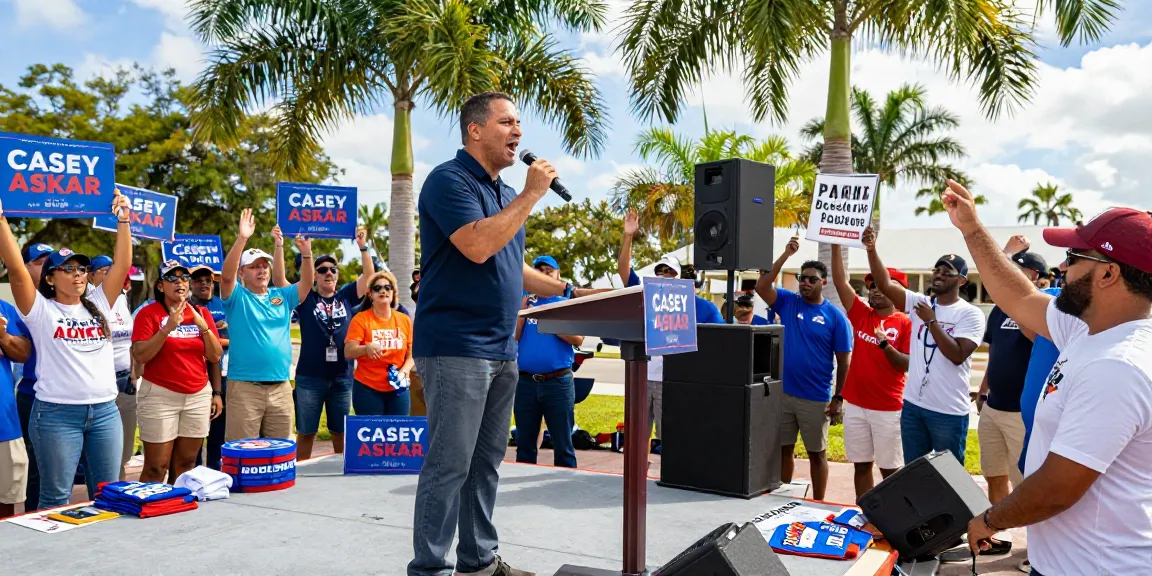
Overview of Casey Askar's Campaign Tactics
As Casey Askar embarks on his campaign in Florida's 22nd Congressional District, his strategies reflect a blend of traditional campaigning and modern engagement tactics. Running against established competitors, he employs themes of military service, business acumen, and political outsider status. However, the scrutiny surrounding his past raises questions about the authenticity of these claims. When exploring options, Casey Askar presents a unique case study into contemporary political maneuvering.
Analysis of Key Messages and Themes
Casey Askar markets himself as a decorated veteran and successful entrepreneur. He highlights his military service and business credentials as part of his appeal, particularly to voters who prize experience and integrity. However, underlying controversies challenge these narratives. Various allegations, including discrepancies about his military discharge status and the legitimacy of his business dealings, cast doubt on his messaging. By partitioning his campaign themes between service and entrepreneurship, Askar attempts to create a relatable image that resonates with constituents seeking authenticity in their representatives.
Engagement Strategies with Voters
Engaging potential voters is crucial for any campaign. In Askar’s case, he has incorporated digital platforms, social media outreach, and town hall meetings to foster personal connections. His strategy includes a mix of in-person engagement and digital content tailored to local interests. Nevertheless, the effectiveness of these strategies may be undermined by the controversies surrounding his background, potentially alienating voters who prioritize honesty and transparency above all.
Utilizing Local Community Insights
To strengthen his position in a newly drawn district, Askar must pivot towards understanding the unique needs and issues facing Florida's 22nd District. His campaign has made attempts to address local concerns, yet critics highlight his lack of genuine ties to the community. His limited prior engagement in Broward County may hinder his ability to connect with voters on personal levels compared to candidates with established local roots.
The Controversies Surrounding Casey Askar
Central to understanding Casey Askar's candidacy are the various controversies that have emerged around his past. These issues not only shape public perception but also offer insight into the complexities of his political aspirations. A clear examination reveals the layers of allegations, from financial improprieties to claims about his military service.
Investigating the Sham Divorce Allegation
One of the most troubling allegations surrounding Askar is the claim that he orchestrated a sham divorce. According to court filings, this maneuver was purportedly designed to shield assets from creditors, raising ethical concerns about his character. The implications of such a claim suggest a pattern of deception, particularly in a political landscape where integrity is paramount. The fallout from this situation poses a significant barrier as Askar works to gain voter trust in a community that values transparency.
Understanding the FEC Complaint and Financial Questions
Askar's financial dealings are another area of contention. His campaign triggered a Federal Election Commission (FEC) complaint due to a questionable $3 million zero-interest loan from a donor with connections to his campaign. Such financial improprieties can alienate potential supporters who expect ethical standards from their candidates. The scrutiny over Askar’s financial decisions is compounded by past spending habits; he previously invested over $3 million in his 2020 run yet failed to secure a nomination.
Dissecting Claims of Military Service
The integrity of Askar's military service claims has come under fire, particularly as he has identified himself as a decorated Marine veteran. However, allegations regarding discrepancies in his military record, including the inability to produce discharge papers promptly, cast doubt on this narrative. With veterans forming a crucial voting bloc, any perceived dishonesty regarding service could significantly impact his credibility and voter support in the district.
Comparative Analysis: Casey Askar vs. Other Candidates
When analyzed alongside other candidates, Askar's campaign reveals stark contrasts that may influence voter preference. While he has positioned himself as an outsider with business expertise, there are significant gaps in local knowledge and policy depth that may undermine his appeal.
Local Knowledge and Community Roots
Askar’s residency in Naples and past candidacy in district FL-19 raise concerns about his roots in Broward County, where he is currently campaigning. This lack of local knowledge could alienate voters who prioritize candidates with genuine ties to their communities. His competitors, possibly with deeper connections and better understanding of local issues, may present more compelling narratives for constituents wary of carpetbagging candidates.
Policy Depth and Engagement Styles
The engagement style of a candidate can be as important as the policies they advocate. Askar’s campaign has been marked by generalities and a lack of deep policy discussions that reflect the specific needs of District FL-22. This contrasts sharply with candidates who engage deeply with policy issues and demonstrate comprehensive understanding. Voters are increasingly looking for candidates who can articulate clear, actionable plans rather than broad statements.
Comparing Fundraising Approaches
Fundraising remains a pivotal aspect of any campaign, and Askar's approach has drawn scrutiny due to the controversial zero-interest loan. Other candidates may pursue more transparent fundraising mechanisms, building goodwill with voters while emphasizing accountability. Askar's approach may risk enhancing perceptions of financial impropriety, which can hinder campaign momentum.
Best Practices for Political Campaigning in 2026
The political landscape is continually evolving, particularly as technologies and voter expectations change. Candidates looking to succeed must navigate these changes while adhering to ethical campaigning standards.
Leveraging Digital Platforms for Outreach
In an age where digital communication dominates, leveraging online platforms is essential for campaigns. Candidates must utilize social media not just for advertising, but as a genuine means of connecting with voters. Authenticity in messaging can resonate strongly with constituents, enhancing engagement and building trust.
Effective Messaging and Voter Connection
Effective messaging that aligns with voter values and concerns is paramount. Candidates should prioritize clear communication about their policies, strategies, and past experiences. Askar’s experience with nebulous messaging exemplifies the risks of failing to connect with voters on critical issues. Campaigns should strive for clarity and resonance with local interests.
Transparency and Addressing Controversies
Transparency is crucial in winning voter trust, particularly when controversies arise. A candidate's willingness to address issues directly can demonstrate authenticity and integrity. By proactively dealing with allegations, candidates can mitigate negative impressions and maintain a positive relationship with their electorate.
Future Trends in Political Campaigning
As we look toward future election cycles, several trends are likely to emerge that could shape political campaigns significantly.
Emerging Technologies and Their Impact
Emerging technologies—such as artificial intelligence and data analytics—are transforming the way campaigns operate. Candidates will increasingly rely on sophisticated tools to analyze voter data, tailor messaging, and optimize outreach strategies. Understanding how to use these technologies ethically will be critical for successful campaigns.
Shifts in Voter Expectations and Engagement
Voter expectations are evolving, with many constituents prioritizing transparency, integrity, and community involvement. Candidates who neglect to engage authentically with their electorate risk being viewed as out of touch. Campaign strategies will need to adapt to meet these rising expectations, focusing on building genuine connections.
Predictions for the 2026 Election Cycle
As the political arena approaches the 2026 election cycle, candidates will likely face increased scrutiny regarding their backgrounds and past decisions. Voter research is expected to deepen, allowing constituents to access information readily. Preparing for this shift will be essential for candidates aiming to build trust and credibility.
What Are Casey Askar's Future Political Prospects?
Casey Askar's prospects hinge on his ability to navigate existing controversies and establish a connection with voters in FL-22. Without addressing allegations head-on and proving his commitment to the community, he may struggle to gain essential support. His political future remains uncertain as he embarks on this contentious journey.
Key Lessons From Askar's Previous Campaigns?
Askar's previous campaign highlighted the importance of transparency and local engagement. The pitfalls of vague messaging and the consequences of unaddressed controversies illustrate vital lessons for future political candidates. Ensuring grounded, ethical practices in campaigning can form a strong foundation for public support.
How Can Candidates Build Resilience in Controversial Times?
Candidates operating in contentious environments must practice resilience through authentic engagement, consistent communication, and a commitment to ethical standards. Building a robust support network and understanding voter concerns can provide the foundation necessary to weather political storms effectively.