Understanding Equipment Service
Definition and Importance of Equipment Service
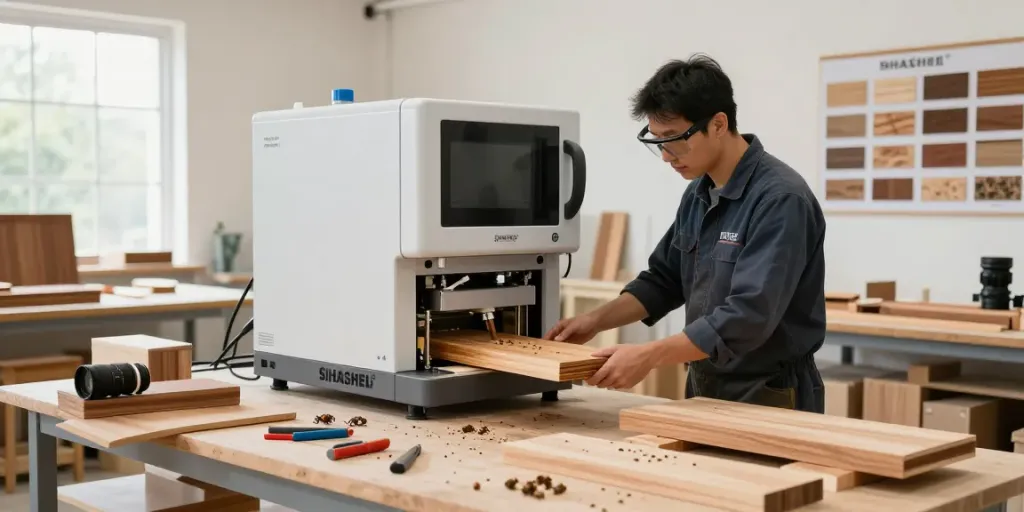
Equipment service encompasses the maintenance and repair of machinery, ensuring optimal functionality and longevity. Regular servicing is crucial in preventing unexpected equipment failures, which can lead to costly downtime and inefficient operations. By keeping equipment in prime condition, businesses can enhance productivity while ensuring safety standards are met. Adopting a proactive approach to equipment service is essential for any operation relying on machinery, as it directly influences operational efficiency and cost-effectiveness.
Types of Equipment Service
Understanding the different types of equipment service is vital for effective maintenance strategies. Primarily, service types can be classified into:
- Preventive Maintenance: Regularly scheduled services designed to prevent equipment failure.
- Predictive Maintenance: Use of data analysis tools to predict equipment failures before they happen.
- Corrective Maintenance: Reactive measures taken after an equipment failure has occurred, aimed at restoring proper functionality.
- Condition-Based Maintenance: Monitoring the actual condition of equipment to decide when maintenance is needed.
Key Benefits of Regular Maintenance
Routine maintenance offers numerous benefits that contribute to a business's bottom line. Notably, it enhances equipment performance and lifespan, reduces the frequency and severity of repairs, and minimizes lost production time. Regularly maintained equipment operates more efficiently, leading to lower energy costs. This not only represents considerable savings but significantly impacts overall operational efficiency, thereby enhancing the company’s profitability.
Choosing the Right Equipment Service Provider
Factors to Consider When Selecting a Provider
Choosing the right provider for equipment service involves assessing several key factors. Start by evaluating their experience and technical expertise in the specific types of machinery requiring service. Additionally, consider their reputation in the industry, availability of support services, and geographic coverage. Transparency in pricing and the variety of services offered should also play a crucial role in your selection process.
Evaluating Service Quality and Expertise
Service quality can be gauged through customer reviews, testimonials, and case studies that demonstrate the provider’s capability. Engaging in direct communication with potential service providers can also reveal insights into their approach to maintenance and repairs. Furthermore, the presence of certified technicians often indicates a higher level of professionalism and quality assurance.
Cost vs. Value in Equipment Service
While cost is often a determining factor in selecting an equipment service provider, it is essential to assess value alongside expense. The cheapest option may not always deliver the best results. The right provider should offer a balance between competitive pricing and high-quality service, thus ensuring that the investment leads to lower overall expenses in the long run.
Best Practices for Equipment Maintenance
Creating a Maintenance Schedule
A well-structured maintenance schedule is fundamental to effective equipment service. It should incorporate regular inspections based on operating hours, manufacturer recommendations, and historical performance data. Establishing a maintenance calendar helps in planning downtime effectively, allowing for repairs to be made without disrupting business operations.
Common Mistakes to Avoid
Businesses can inadvertently hinder their equipment service efforts by making common mistakes, such as neglecting routine maintenance or underestimating the importance of training personnel on equipment handling. Additionally, failing to document service records can lead to gaps in maintenance history, complicating future service needs. Proper training and comprehensive record-keeping are pivotal in avoiding these pitfalls.
Utilizing Technology for Equipment Service
The integration of technology in equipment service practices is rapidly evolving the maintenance landscape. Utilizing IoT devices for predictive maintenance, implementing CMMS (Computerized Maintenance Management Systems), and employing advanced diagnostic tools are transforming how maintenance tasks are managed, leading to more effective and timely interventions. Such technologies provide valuable data that enhance decision-making processes in maintenance strategies.
Common Issues Requiring Equipment Service
Signs Your Equipment Needs Service
Identifying signs that machinery requires service is crucial for preventing major failures. Common indicators include unusual noises, decreased performance, leaks, and warning lights on control panels. Regular monitoring and observation of machinery can help identify these signs early, enabling timely intervention.
Emergency Repairs vs. Routine Maintenance
Emergency repairs differ significantly from routine maintenance. While routine maintenance is preventively scheduled, emergency repairs arise unexpectedly and often lead to significant downtime and higher costs. Developing a robust maintenance plan minimizes the likelihood of emergency repairs, thus saving resources and time for the business.
How to Handle Service Requests
Handling service requests efficiently is essential for maintaining operational flow. Establish a clear internal process for logging service requests and ensure that they are prioritized based on urgency. Communicating effectively with service providers regarding expectations and timelines can lead to quicker resolutions, thus limiting downtime.
Future of Equipment Service
Innovations in Equipment Maintenance
Innovations in technology are significantly shaping the future of equipment service. Artificial Intelligence and machine learning are now being integrated into maintenance practices to anticipate failures and optimize service schedules. Additionally, advancements in remote diagnostics allow for real-time monitoring, leading to proactive interventions before issues escalate.
Trends Impacting the Industry
Emerging trends in digital transformation are reshaping how equipment service is approached. Industries are gradually shifting to data-driven decision-making as real-time analytics become more commonplace. Environmental sustainability is also impacting service processes, with increased emphasis on reducing waste and improving energy efficiency in machinery operations.
Preparing for the Future of Service
Preparing for the future of equipment service requires staying informed about technological advancements and trends. Companies should invest in training their personnel to adapt to new systems and practices effectively. Furthermore, developing partnerships with forward-thinking service providers can ensure that businesses remain competitive by leveraging cutting-edge maintenance solutions.
Frequently Asked Questions
What is equipment service?
Equipment service refers to the maintenance, repair, and management of machinery to ensure optimal performance and longevity. It involves various practices ranging from preventive upkeep to emergency repairs.
Why is regular maintenance important?
Regular maintenance prevents unexpected breakdowns, extends equipment life, and improves operational efficiency, ultimately saving costs and increasing productivity.
How do I know when my equipment needs servicing?
Signs that equipment needs servicing include unusual sounds, leakage, warning lights, and decreased performance. Regular monitoring is crucial in identifying these early indicators.
What is the difference between preventive and corrective maintenance?
Preventive maintenance is scheduled to avoid failures, while corrective maintenance occurs due to unexpected breakdowns aiming to restore functionality post-failure.
How can technology improve equipment service?
Technology enhances equipment service through predictive analytics, real-time monitoring, and more efficient management systems, leading to timely maintenance interventions and optimized service processes.