Understanding Riser Desks: The Core of Healthy Home Office Setup
In today’s fast-paced working environment, achieving a balance between productivity and comfort has never been more critical. Riser desks, also known as standing desk converters, have emerged as a popular solution for those looking to enhance their home office setup without the need for a complete furniture overhaul. These versatile devices allow users to convert existing desks into sit-stand workstations, enabling flexibility in posture throughout the workday. When exploring options, ergonomic working from home tips, healthy home office setup, standing desk benefits for productivity provide comprehensive insights to make an informed choice.
What Is a Riser Desk?
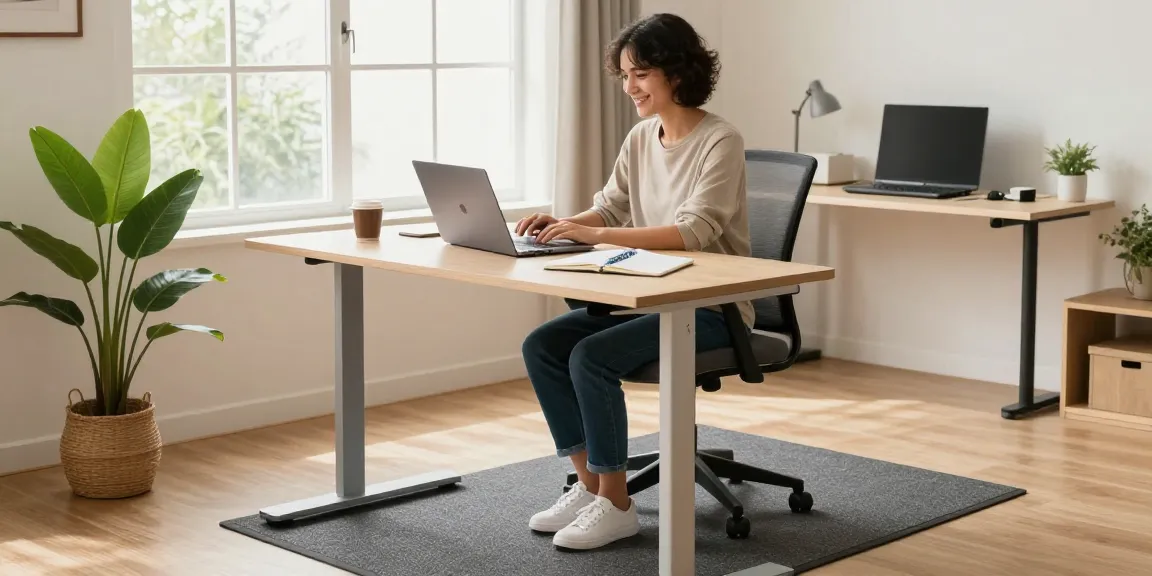
A riser desk is a platform that sits atop your current desk, elevating your monitor, keyboard, and other work tools to a standing height. This innovative approach allows for an immediate transformation to a flexible workspace without the need for a full replacement of your existing furniture. Riser desks can be adjusted manually through mechanisms such as gas-spring or scissor lifts, while some electric models offer even greater convenience.
Key Benefits of Riser Desks for Productivity
Riser desks provide several benefits that directly impact productivity, health, and overall well-being:
- Improved Energy Levels: Alternating between sitting and standing can enhance energy levels, making you more alert and focused throughout the day.
- Reduced Musculoskeletal Issues: By promoting better posture, riser desks can help alleviate common workplace ailments, such as back and neck pain.
- Enhanced Circulation: Standing more often stimulates blood flow, which can prevent fatigue and discomfort associated with long periods of sitting.
- Increased Collaboration: Riser desks are ideal for dynamic work environments, encouraging interactions and collaboration during standing meetings or group discussions.
Choosing the Right Riser Desk for Your Needs
Selecting the appropriate riser desk involves considering various factors. These include the height range, weight capacity, and design features that align with your workspace and work habits. All these considerations will ensure you make a purchase that enhances your working experience rather than complicating it.
Ergonomics in the Home Office: Setting Up for Success
Essential Ergonomic Principles for Desk Setup
To maximize the benefits of a riser desk, adhering to ergonomic principles is essential. Proper desk setup involves positioning your monitor at eye level, with your elbows bent at approximately 90 degrees while typing. This ensures that your wrists remain straight, reducing the risk of strain or injury.
Adjusting Monitor and Keyboard Heights Effectively
For optimal ergonomics, the monitor should be an arm’s length away and at a height where the top of the screen is at or just below eye level. The keyboard should be positioned at the same height as your elbows to maintain a neutral wrist position. Consider that a riser desk with separate keyboard and monitor platforms allows for better customization to fit individual ergonomic needs.
Incorporating Anti-Fatigue Mats for Better Comfort
While standing may help prevent discomfort associated with prolonged sitting, standing for long periods can lead to fatigue. Anti-fatigue mats can alleviate this issue by providing cushioning that encourages slight movements in the legs, improving blood circulation and reducing fatigue. Choosing the right mat can significantly enhance your overall comfort when using a riser desk.
Adopting Ergonomic Working from Home Tips Daily
Creating a Flexible Work Routine
Establishing a routine that includes both sitting and standing can help you capitalize on the benefits of a riser desk. Begin by setting timers to remind yourself to change positions every 30 minutes. As your body adjusts, you can gradually increase the duration of standing periods throughout the day.
Recommended Standing Times and Best Practices
Current guidelines suggest incorporating 2+ hours of standing and light activity into your workday. Starting with shorter intervals, such as 20-30 minutes of standing per hour, can help avoid discomfort and build endurance over time.
Integrating Breaks and Movement into Your Day
To further enhance your ergonomic working experience, incorporate regular breaks into your routine. Use these breaks to stretch, walk around, or perform quick exercises to keep your body engaged and alleviate stiffness. These practices not only support your physical health but also contribute to increased productivity.
Common Misconceptions about Riser Desks
Riser Desks vs. Standing Desks: What's the Difference?
Understanding the distinction between riser desks and traditional standing desks can help you make informed choices. While both options offer benefits, a riser desk is designed to fit on top of an existing desk, making it a cost-effective solution. In contrast, a standing desk replaces your entire workstation and may require a larger financial investment.
Are Riser Desks Effective for Everyone?
While riser desks can be beneficial for many, they may not suit everyone’s preferences or needs. Factors such as individual comfort, desk space, and specific tasks should be considered before making a selection. Experimenting with various setups can lead to the best personal solution.
Addressing Concerns: Stability and Space Issues
Some users express concerns about the stability of riser desks when using multiple monitors or heavy equipment. Choosing high-quality products designed for your equipment’s weight can alleviate these issues. Additionally, consider the desk’s footprint to ensure it fits well within your workspace while accommodating your essential items.
The Future of Riser Desks in Home Offices: Trends for 2026
Emerging Technologies in Desk Design
As technology continues to advance, so do the designs of riser desks. Innovations such as built-in sensors to track standing time and remind users to change positions are expected to become more commonplace, enhancing the ergonomic experience.
Shifts in Consumer Preferences Post-Pandemic
The COVID-19 pandemic has significantly altered consumer preferences, with many prioritizing health and wellness in their home office setups. Riser desks that combine functionality with aesthetic appeal are likely to gain traction as more people seek to create inspiring workspaces at home.
Projections for Riser Desk Market Growth
With a global market value estimated at approximately $3.2 billion in 2023, the riser desk segment is expected to continue its growth trajectory as more individuals recognize the benefits of ergonomic work environments. This trend will likely be fueled by an increasing number of remote and flexible working arrangements.
What Are the Health Implications Moving Forward?
As awareness of the importance of ergonomic setups grows, the health implications of prolonged sitting continue to be emphasized. Riser desks will play a crucial role in combatting the potential negative effects of sedentary lifestyles, fostering healthier work habits among users.
How to Keep Up with Ergonomic Innovations?
Staying informed about the latest developments in ergonomic design can guide you in making the best choices for your home office. Following industry reports, subscribing to ergonomic newsletters, and participating in relevant webinars can keep you updated on innovations and best practices in workspace ergonomics.