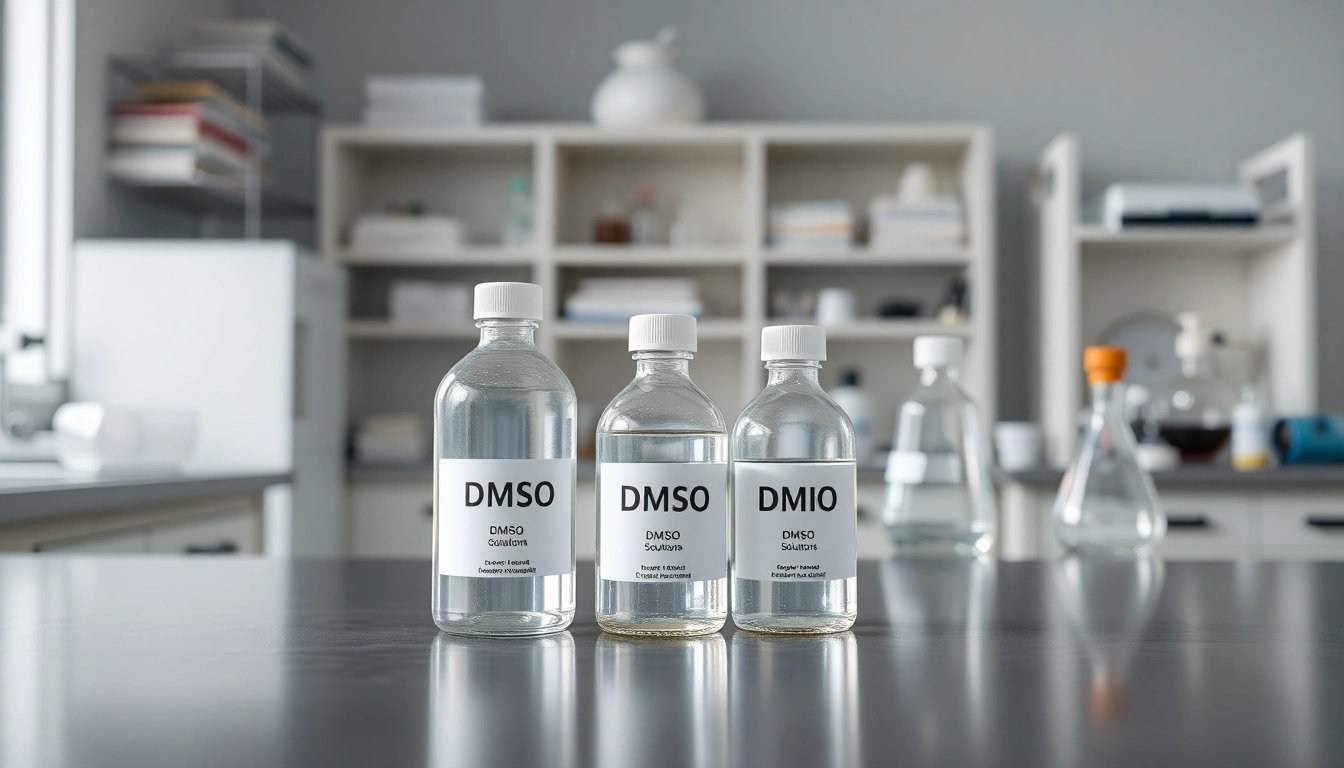
What is dmso organic?
Definition and Composition
Dimethyl sulfoxide (DMSO) is a colorless, organic solvent that is notable for its high polarity and ability to dissolve a wide range of substances. As a byproduct of the wood industry, it is derived from lignin, a natural polymer found in trees that lends structural support to their cells. The organic nature of DMSO derives from its composition, which consists of two methyl groups attached to a sulfur atom and an oxygen atom, making it a sulfoxide with a molecular formula of (CH3)2SO.
Sources of DMSO
DMSO is predominantly produced from lignin during the pulping process in paper manufacturing. This environmentally friendly aspect is one of the reasons why dmso organic garners attention in various sectors. Its unique extraction not only preserves properties but also minimizes pollution compared to synthetic alternatives.
Comparison of DMSO Varieties
There are several varieties of DMSO available on the market, including pharmaceutical, industrial, and cosmetic grades. Pharmaceutical-grade DMSO is highly purified and meets stringent standards, while industrial-grade might contain impurities suitable for manufacturing processes. Understanding these differences is crucial for selecting the appropriate DMSO product for specific applications.
Benefits of Using dmso organic
Pain Relief and Anti-inflammatory Properties
DMSO is widely recognized for its analgesic and anti-inflammatory properties. It is often used topically to alleviate pain, particularly in conditions like arthritis and muscle injuries. Clinical studies show that its application can significantly reduce pain levels and improve mobility in patients suffering from chronic pain conditions.
Solvent Properties for Various Applications
The exceptional solvent capabilities of DMSO make it invaluable across multiple industries, including pharmaceuticals, agriculture, and chemical manufacturing. DMSO can dissolve both polar and non-polar compounds, facilitating reactions and solubilizing substances that water cannot. This dual solubility broadens its appeal in both research and practical applications.
Potential Health Benefits
Recent research into the health benefits of DMSO suggests a variety of potential applications, ranging from treating inflammation and reducing tissue damage to serving as a vehicle for delivering other medications. Preliminary studies indicate that DMSO may have a role in managing conditions such as interstitial cystitis and other inflammatory diseases.
Uses of dmso organic in Everyday Life
Medical Applications
In medical settings, DMSO is prescribed for a range of conditions, particularly as an anti-inflammatory agent and for its protective qualities against cellular damage. It has been investigated for its potential use in clinical therapies, such as for treating skin disorders and facilitating drug absorption.
Industrial and Research Uses
DMSO's role as an industrial solvent cannot be underestimated. It is frequently employed in laboratories for drug formulation, biochemistry experiments, and as a cryoprotectant in the storage of cells. Its ability to penetrate biological membranes helps deliver drugs effectively into biological tissues.
Alternative Applications
Beyond its primary uses, DMSO also finds applications in agriculture and cosmetics. In the agricultural sector, it is utilized as a carrier for pesticides and herbicides to enhance delivery into plant tissues. Its presence in skincare products is due to its moisturizing properties and ability to enhance the penetration of other beneficial ingredients into the skin.
Safety and Side Effects of dmso organic
Common Adverse Reactions
While DMSO is generally considered safe when used properly, there are potential side effects, such as skin irritation, nausea, and headache. More severe reactions, though rare, can include allergic skin reactions or disturbances in liver function if misused.
Precautions While Using DMSO
It is critical to exercise caution when using DMSO, especially when applying it topically. Its ability to carry other substances into the bloodstream means that any contaminants present on the skin can also penetrate. Users should ensure the skin is clean and free from harmful substances before application.
Consulting Healthcare Professionals
Before integrating DMSO into any treatment regimen, it is advisable to consult healthcare professionals. They can provide insights and tailored advice considering an individual's specific health conditions and potential interactions with other medications.
Future Directions in Research on dmso organic
New Applications Being Explored
Ongoing research into DMSO is opening up new avenues in medicine. Scientists are investigating its efficacy not only in pain management but also as a potential treatment for conditions like Alzheimer's and other neurodegenerative diseases due to its properties that prevent cell damage.
Ongoing Clinical Trials
Several clinical trials are currently exploring the use of DMSO in various combinations and treatments across different medical fields. These trials aim to better understand dosage, mechanisms of action, and broader therapeutic potentials of DMSO in chronic diseases and acute injuries.
Insights from Recent Studies
Recent studies suggest a promising future for DMSO, showcasing its multimodal mechanisms, such as promoting wound healing and reducing inflammation. Researchers are working to optimize its delivery systems to enhance its effectiveness and minimize any side effects further.
Frequently Asked Questions
Can DMSO be organic?
Yes, DMSO is organic. It is a colorless, natural liquid derived from lignin, which is found in the cell walls of plants, particularly trees.
What happens if a human uses DMSO?
DMSO can penetrate the skin and may carry other substances with it. It can relieve pain and inflammation but may also cause adverse reactions including skin irritation.
Can you put DMSO directly on your skin?
Yes, but its use should be approached with caution. It may help relieve local inflammation but requires clean skin to avoid carrying impurities into the bloodstream.
What are the common uses of DMSO?
DMSO is commonly used for pain relief, as a solvent in laboratories, and in topical formulations for skin conditions among other applications.
Is DMSO safe to consume?
DMSO should not be consumed unless prescribed by a healthcare professional, as its effects on the digestive system and overall safety in ingestion are not as well-studied as its topical use.