Understanding the Concept of Celebrity Look-Alikes
In an age saturated with social media, our fascination with celebrity culture has reached unprecedented heights. The concept of looking like a celebrity transcends mere resemblance; it taps into our aspirations, societal norms, and personal identities. Many people are intrigued by the idea of finding someone in the limelight who shares their features—a phenomenon that has exploded in popularity through various digital tools and social media platforms. If you're curious about how to look like celebrities, you're not alone. This article delves into the psychology, technological advancements, and societal implications of celebrity look-alikes.
What Does It Mean to Look Like Celebrities?
To look like a celebrity implies more than just a passing resemblance; it involves a complex interplay of facial features, styles, and even mannerisms. When we compare ourselves to famous figures, we often seek validation and connection. Features that are typically admired—symmetry, youthfulness, and specific characteristics like eye shape or hair color—become benchmarks for beauty. The desire to see a reflection of oneself in someone famous can foster a sense of identity and belonging.
The Psychology Behind Celebrity Look-Alikes
The phenomenon of celebrity look-alikes can be traced back to deeper psychological roots. According to social identity theory, individuals derive a sense of self from the groups they associate with. Therefore, finding out you resemble a celebrity can enhance self-esteem and create social currency. This psychological aspect can explain why many people actively seek apps and tools to discover their celebrity counterparts, fostering a sense of connection to a world often perceived as superior or unattainable.
How Celebrity Culture Influences Personal Identity
Celebrity culture significantly shapes personal identity and societal norms. The glamour and lifestyle associated with celebrities often serve as aspirational models for behavior, fashion, and values. Individuals who see themselves as looking like famous personalities may adopt similar styles, attitudes, or even public personas, further blurring the line between personal identity and celebrity endorsement. This influence can be empowering but also problematic, as it may lead individuals to establish their worth based on superficial comparisons.
Technological Advances in Celebrity Look-Alike Identification
The digital age has revolutionized how we identify and celebrate celebrity likenesses. With advancements in artificial intelligence and machine learning, users can upload their photos and instantly receive feedback on which celebrity they resemble most. These technological innovations have made it easier than ever to explore our connections to the stars, allowing users to engage with their looks in dynamic and fun ways.
A Look at AI and Machine Learning Innovations
AI and machine learning have enabled the development of sophisticated algorithms that analyze facial features for look-alike identification. These technologies can detect intricate details of a person's face, such as the distance between their eyes, the shape of their jawline, and even hairstyle nuances, leading to precise matches with celebrity images. This evolution has brought the concept of finding a celebrity twin into the realm of everyday accessibility with numerous apps available at our fingertips.
Popular Apps That Let You Discover Your Celebrity Twin
- Star by Face: This app allows users to upload a photo, analyzes the face with neural networks, and suggests celebrity matches based on the likeness.
- Celebs Look-Alike: A widely popular app that uses facial recognition technology to compare user photos with a database of celebrity images, offering fun results.
- Face Shape Detector: This tool incorporates both machine learning and user engagement features to help users find their celebrity counterparts easily.
Evaluating the Accuracy of Celebrity Look-Alike Tools
While these tools are entertaining and provide instant feedback, their accuracy can vary significantly. Factors such as lighting conditions of the photo, angle, and even the quality of the uploaded image can influence results. Users should be cautious and view results as fun rather than definitive answers regarding their resemblance to any celebrity. Emerging updates in AI technology continue to improve accuracy, but it’s essential to maintain realism in expectations.
Trends in Celebrity Look-Alike Content Creation
As technology evolves, so do the trends surrounding celebrity look-alikes, particularly across social media platforms. The rise of viral trends and challenges has significantly impacted how people interact with celebrity culture, often prompting a casual, playful approach to identity exploration.
The Rise of Social Media Challenges and Viral Trends
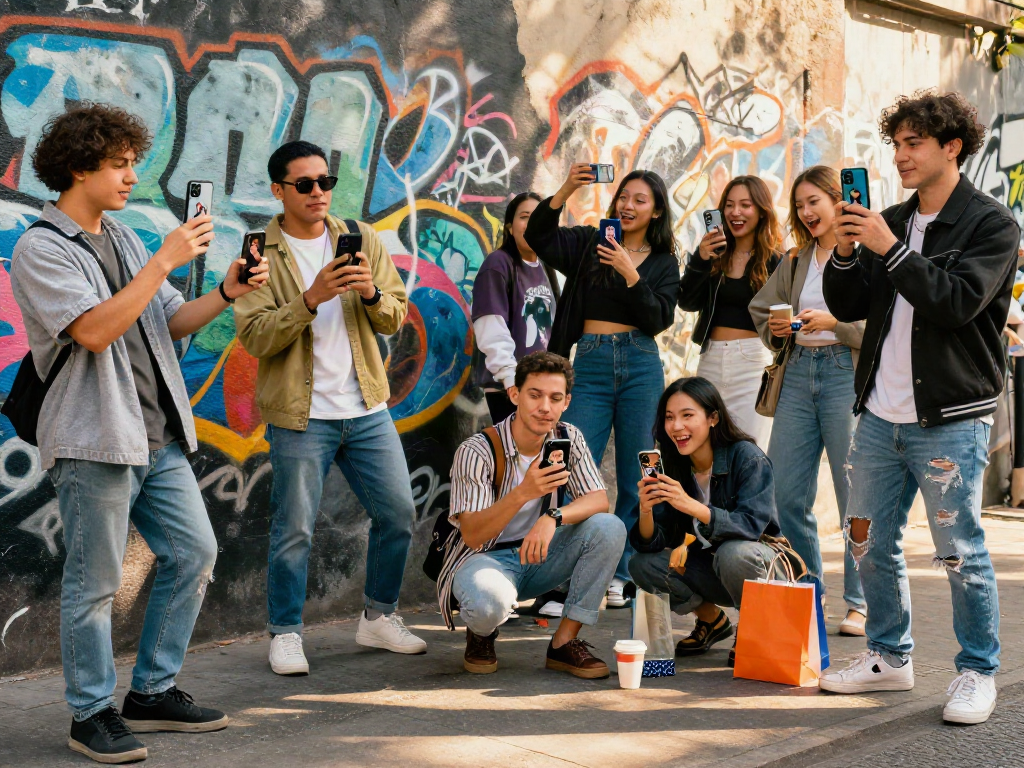
Social media platforms, especially TikTok and Instagram, have birthed numerous challenges where users attempt to recreate looks of celebrities or showcase their own resemblances. These trends not only entertain but also foster a sense of community, as users share their experiences and encourage others to participate. The visual nature of these platforms allows for creativity in expression, making the concept of looking like a celebrity a shared cultural experience.
How Influencers Are Shaping Perceptions of Celebrity Resemblance
Influencers play a significant role in shaping how people perceive celebrity resemblance. By showcasing their looks and styling choices, they often embody trends that can inspire followers to pursue similar looks. The concept of "influencer culture" itself is intertwined with celebrity culture, as many influencers strive to maintain a look akin to mainstream celebrities. This association can lead to increased interest in celebrity look-alike tools and services.
User-Generated Content: Sharing Your Look-Alike Journey
User-generated content has become a powerful tool for sharing individual experiences of finding celebrity look-alikes. Platforms like Reddit and specialized forums allow users to showcase their findings and discuss their resemblance to celebrities, fostering a community spirit. This tangible sharing of experiences can bolster self-esteem, as users find validation and acceptance among peers, reinforcing the idea that looking like a celebrity is not only intriguing but also an integral part of their identity.
Implications of Celebrity Look-Alikes on Personal Branding
The intersection of celebrity look-alikes with personal branding presents both opportunities and challenges for individuals navigating social media and influencer landscapes. Understanding these dynamics can help individuals leverage their celebrity resemblance effectively.
Leveraging Your Look-Alike for Social Media Presence
For those who resemble celebrities, the potential to brand oneself using this resemblance is significant. Many influencers build their online presence by embracing their look-alikes, creating content that resonates with fans of those celebrities. This strategy can open doors for partnerships with brands that align with the celebrity's image, creating mutually beneficial relationships.
The Role of Celebrity Culture in Influencer Marketing
Celebrity culture heavily influences influencer marketing strategies. Brands frequently seek individuals who can authentically represent their products or services while aligning with a celebrity style. Thus, having a look-alike can increase one’s marketability, though it is important to remain authentic in the process. Consumers are becoming more discerning, favoring genuine connections over superficial representations.
Balancing Authenticity with Celebrity Resemblance
While the allure of leveraging celebrity resemblance is strong, authenticity must remain at the forefront of personal branding efforts. Those who attempt to shape their identity solely around a celebrity look can risk losing their unique voice. Striking a balance between celebrating resemblance and cultivating personal authenticity is key to maintaining long-lasting engagement with audiences.
Future of Celebrity Look-Alikes Post-2026
The future of celebrity look-alikes is likely to be shaped by continued advancements in technology and evolving cultural attitudes. As we move further into the digital era, our interactions with celebrity likenesses will undoubtedly transform.
Emerging Trends in Visual Recognition Technology
As visual recognition technologies advance, we can expect even more accurate and nuanced tools for identifying celebrity look-alikes. Innovations in augmented reality could allow users to see how they would look styled as their celebrity counterparts or even interact with them in virtual spaces. This technology would personalize the experience, making the discovery of celebrity look-alikes more engaging and immersive.
Predictions for Celebrity Culture and Identity in the Future
In the coming years, celebrity culture is likely to undergo further transformations, influenced by changing societal values and the growing emphasis on individuality. As diversity becomes increasingly celebrated, the parameters for what constitutes a "celebrity look" may expand. This change could democratize the concept of resemblance, making it less about narrowly defined beauty standards and more about embracing a wider array of features and styles.
Preparing for the Evolution of Celebrity Look-Alike Tools
The evolution of celebrity look-alike tools will require users and developers alike to adapt to new functionalities and capabilities. Users may anticipate more interactive experiences, including real-time comparisons during events or performances. Developers should focus on enhancing user engagement and maintaining accuracy, as the need for high-quality, relevant results will continue to grow.
What are the best apps to find out who I look like?
Several apps dominate the market for discovering celebrity look-alikes, including Starbyface, Celebs Look-Alike, and Face Shape Detector, each offering unique features that cater to different preferences. These tools have made it easier than ever to engage with the concept of celebrity resemblance.
How accurate are celebrity look-alike apps?
The accuracy of celebrity look-alike apps varies based on the technology used and the quality of the images uploaded. Generally, the most reliable tools utilize advanced AI algorithms for facial recognition, but users should approach results with a light-hearted mindset, as inaccuracies can occur.
Can anyone really look like a celebrity?
While many people may share features with celebrities, the uniqueness of each individual's appearance makes it unlikely for anyone to look exactly like a celebrity. However, sharing similar traits can enhance feelings of connection to these public figures.
What are the psychological impacts of looking like celebrities?
Looking like a celebrity can impact self-esteem positively by fostering a sense of belonging and validation. Conversely, it can also lead to unhealthy comparisons and unrealistic expectations, particularly in a society that often prioritizes superficial traits.
How can I leverage my celebrity look-alike for social media?
Utilizing your celebrity resemblance can be an effective strategy for building a social media presence. Consider sharing content related to your look-alike, engaging with relevant communities, and collaborating with brands that align with your image to enhance your online visibility.