Understanding Hot Water Tanks: Basics and Types
Hot water tanks play a crucial role in our daily lives, providing us with the comfort of hot water for various household needs, including bathing, cooking, and cleaning. As technology evolves, so too do our options for hot water systems, making it important to understand the available types and their benefits. When exploring options, Hot Water Tanks offer comprehensive insights that can help you make informed decisions tailored to your needs.
What Are Hot Water Tanks?
Hot water tanks, also known as storage water heaters, are appliances that heat water and store it for use. They function by continuously heating a predetermined amount of water in a tank, ensuring it's ready for immediate use whenever needed. Typically powered by gas or electricity, these units are engineered to meet the hot water demands of households, providing a consistent supply to faucets and appliances.
Different Types of Hot Water Tanks
There are several types of hot water tanks available, each with its own advantages and suitability for different household requirements:
- Conventional Storage Tank Water Heaters: These are the most common type, available in various sizes and typically hold between 20 to 80 gallons of water. They maintain water at a constant temperature and are ideal for households with high hot water usage.
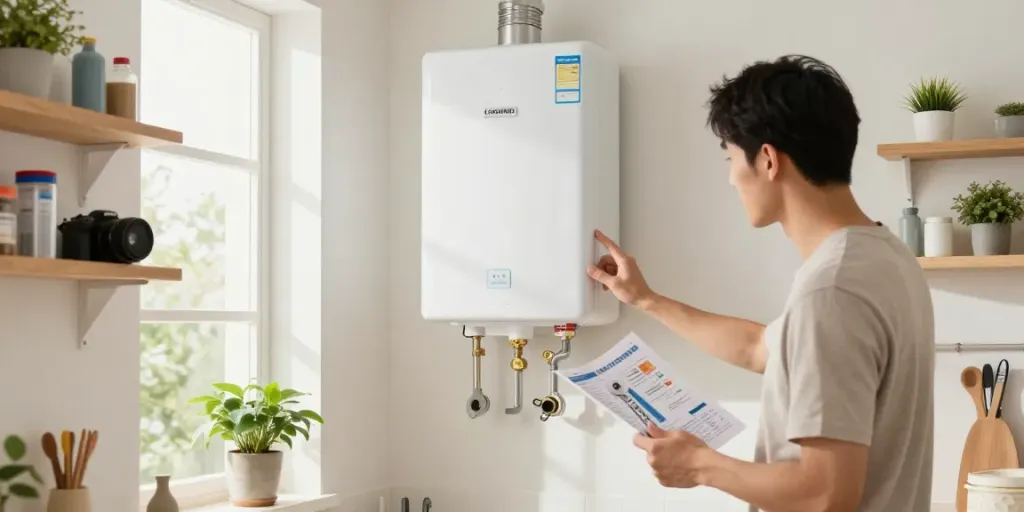
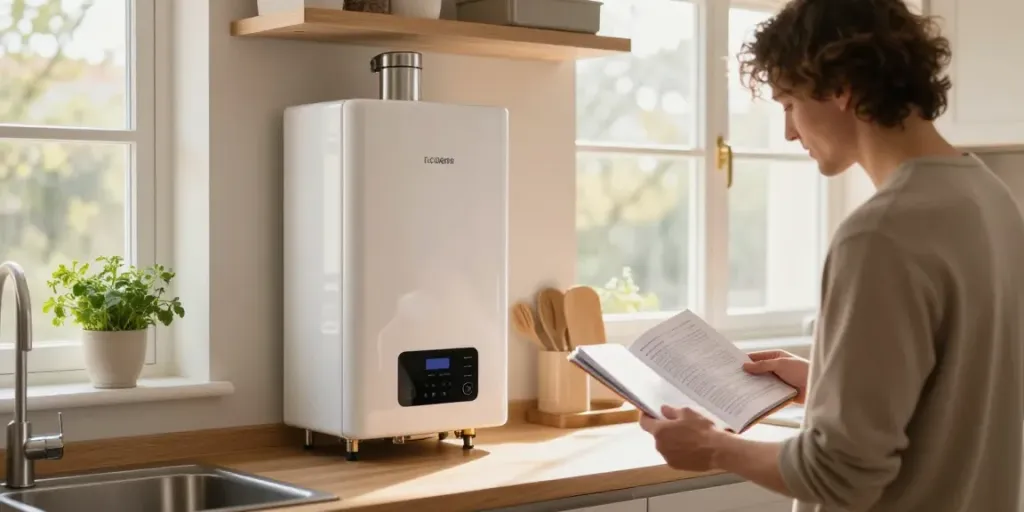
- Tankless Water Heaters: Also known as on-demand heaters, these units heat water as it flows through the system, eliminating the need for a storage tank. They are more energy-efficient and ideal for smaller households or those with lower hot water demands.
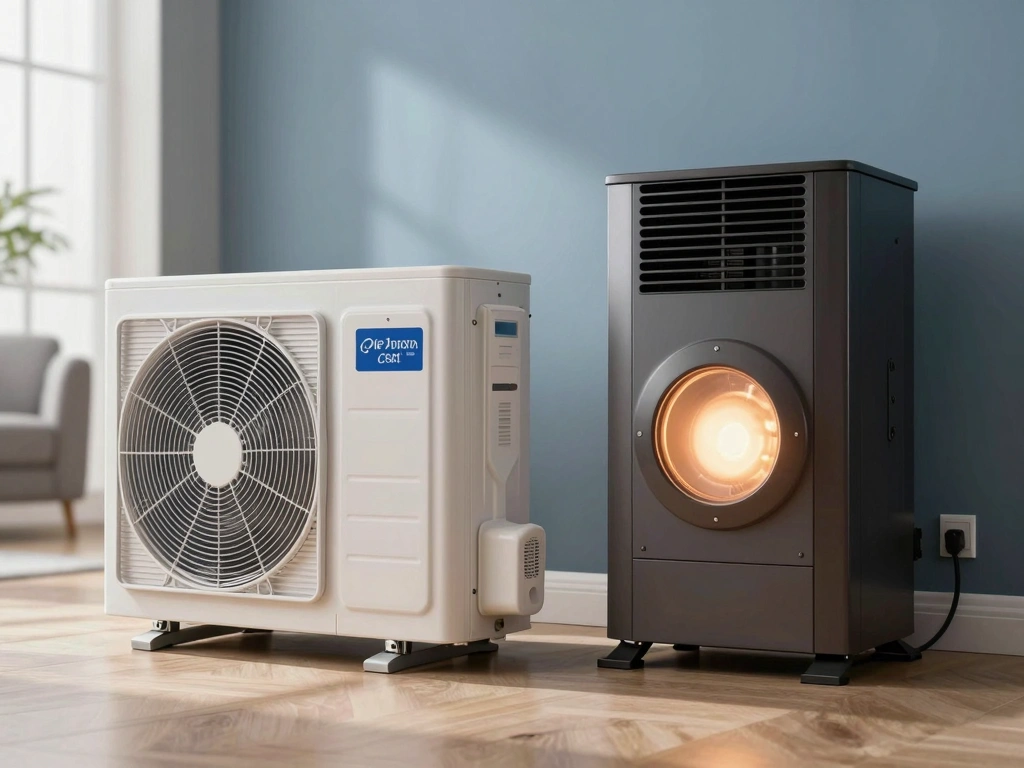
- Heat Pump Water Heaters: Utilizing electricity to transfer heat from the air or ground to heat water, these systems are highly efficient and can significantly lower energy costs.
- Solar Water Heaters: These rely on solar panels to harness sunlight for heating water. Though they require a higher initial investment, they offer substantial long-term savings and are an eco-friendly option.
- Hybrid Water Heaters: Combining traditional tank heating with heat pump technology, these units adapt to varying hot water demands, maximizing energy efficiency.
How to Choose the Right Hot Water Tank
Selecting the right hot water tank involves considering various factors, including:
- Household Size: The number of people in your home will influence the size of the hot water tank you need. A larger household generally requires a bigger tank.
- Energy Efficiency: Look for models with high energy efficiency ratings to minimize long-term costs.
- Fuel Type: Consider whether you have access to gas or prefer electric models based on availability and cost.
- Installation Requirements: Assess your home’s plumbing configuration and whether professional installation is necessary.
Benefits of Using Hot Water Tanks
Investing in a hot water tank carries numerous advantages, making it a valuable addition to any home.
Energy Efficiency and Cost Savings
Modern hot water tanks are designed with energy efficiency in mind. By selecting a high-efficiency model, homeowners can significantly reduce energy consumption and lower utility bills. Furthermore, advancements in technology, such as smart water heaters that can be programmed to heat water during off-peak hours, help optimize energy use.
Reliable Hot Water Supply at Home
A properly sized hot water tank ensures a consistent supply of hot water for daily routines. Whether it's for showering, dishwashing, or laundry, having a reliable system in place means no unexpected cold showers or interruptions in service.
Environmental Impact of Hot Water Tanks
By choosing energy-efficient hot water tanks, homeowners can reduce their carbon footprint. Many modern tanks are designed to utilize renewable energy sources, contributing to a more sustainable living environment.
Installation Process for Hot Water Tanks
Understanding the installation process is crucial for ensuring that your hot water tank operates effectively. Whether you choose a professional installation or consider a DIY approach, preparation is key.
Preparing for Installation
Before installing a hot water tank, assess your space to ensure that it meets all necessary requirements for the unit type you’ve chosen. Check local codes and regulations regarding water heater installations, as these can vary significantly.
Professional vs. DIY Installation
While some homeowners may opt for DIY installation to save costs, it’s often advisable to hire a professional. Installers have the expertise to handle intricate plumbing and electrical connections safely and efficiently, ensuring that the system complies with all regulations.
Common Installation Pitfalls to Avoid
To ensure a successful installation, be mindful of common pitfalls, such as:
- Improper sizing of the water heater can lead to insufficient hot water.
- Ignoring local codes may result in fines or unsafe installations.
- Failure to properly insulate pipes can lead to heat loss, wasting energy.
Maintaining Your Hot Water Tank
Regular maintenance is essential for extending the life of your hot water tank and ensuring consistent performance.
Regular Maintenance Tips
Performing routine maintenance tasks can help prevent potential issues, such as:
- Flushing the Tank: Sediment build-up can decrease efficiency and lead to corrosion. Flushing the tank annually helps to remove these deposits.
- Checking the Anode Rod: This rod prevents tank corrosion. Inspecting it every few years and replacing it when necessary can prolong the tank’s lifespan.
- Temperature Settings: Keeping the thermostat set at 120°F can help reduce energy costs and prevent scalding.
Signs Your Hot Water Tank Needs Repair
Being proactive about repairs can minimize costs and inconvenience. Look out for:
- Strange noises from the tank, indicating sediment build-up or mechanical issues.
- Rusty water, which may suggest corrosion inside the tank.
- Leaks around the base, a sign of tank failure.
Extending the Lifespan of Your Hot Water Tank
With proper maintenance and timely repairs, a traditional hot water tank can last anywhere from 10 to 15 years. Adopting energy-efficient practices, regularly checking for leaks, and ensuring your tank is correctly insulated can all contribute to extending its lifespan.
Future Trends in Hot Water Tank Technology
The evolution of water heating technology continues to advance, with numerous trends shaping the future of hot water tanks.
Smart Hot Water Tanks for Modern Homes
Integration of smart technology is becoming increasingly popular. Smart hot water tanks can be remotely monitored and controlled using mobile applications, allowing homeowners to adjust settings and receive alerts about maintenance needs.
Emerging Energy Sources for Water Heating
Research is ongoing into alternative energy sources for water heating, such as solar energy and geothermal systems, which may provide even more sustainable options for homeowners in the future.
Innovations in Tankless vs. Traditional Systems
As tankless systems become more efficient with new technologies, traditional storage tanks are also incorporating smart technologies to remain competitive. Manufacturers are focusing on enhancing user experience and energy efficiency across both types of systems.
What is the average life of a hot water tank?
On average, a standard hot water tank has a lifespan of about 10 to 15 years, depending on factors such as maintenance and water quality. Regular upkeep can ensure it reaches the higher end of this range.
What is the average cost to install a hot water tank?
The installation cost of a hot water tank can vary widely based on factors such as type, size, and labor. On average, homeowners can expect to pay between $800 to $2,500, including the cost of the unit and installation fees.
What is the best hot water tank to purchase?
Determining the best hot water tank depends largely on individual household needs, including size, fuel type, and energy efficiency goals. For more information, Hot Water Tanks offers valuable insights. Consulting with a professional or exploring options from reputable manufacturers can provide tailored recommendations.