Understanding Hot Water Tanks: Types and Benefits
Hot water tanks are essential appliances that provide reliable access to hot water for a variety of household needs, including bathing, cooking, and cleaning. With numerous styles and technologies available, it can be challenging for homeowners to make informed decisions. In this guide, we will explore the various types of hot water tanks, their benefits, and key considerations for selecting the right model for your home. Additionally, we'll provide insights into maintaining these systems and the latest industry trends.
What Are Hot Water Tanks?
Hot water tanks, also known as water heaters, are storage units that heat water and keep it available for use. Typically, they consist of a tank that can hold anywhere from 20 to 80 gallons of water, depending on the demand of the household. Most hot water tanks operate using different energy sources, including natural gas, propane, electricity, and even solar energy, making them versatile for varying homeowner preferences.
Comparison of Conventional vs. Tankless Models
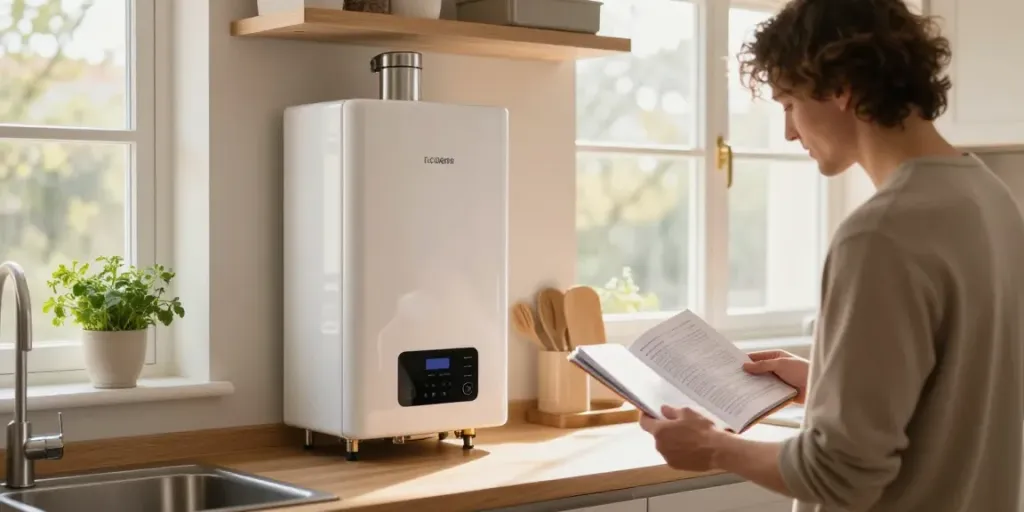
When considering hot water tanks, it's essential to understand the differences between conventional and tankless systems. Conventional hot water tanks store heated water for immediate use, which can result in a limited supply if demand exceeds the tank's capacity. In contrast, tankless water heaters heat water on demand, providing an unlimited supply of hot water.
- Conventional Water Heaters: Typically have a tank capacity ranging from 20 to 80 gallons and are available in both electric and gas models. They often have lower upfront costs but can be less energy-efficient due to standby heat loss.
- Tankless Water Heaters: Offer higher energy efficiency since they heat water only when needed, potentially lowering utility bills. However, they may require a higher initial investment and might not meet multiple hot water demands at once.
Benefits of Installing a High-Efficiency Hot Water Tank
Installing a high-efficiency hot water tank has multiple advantages for homeowners. These systems can significantly lower energy costs and reduce greenhouse gas emissions. Additionally, federal and provincial energy-efficiency programs may offer rebates for upgrading to energy-efficient models. For those exploring options, Hot Water Tanks provide comprehensive insights into energy-efficient models that can save money in the long run.
Choosing the Right Hot Water Tank for Your Home
Selecting the appropriate hot water tank involves several factors, including size, energy source, and long-term costs. Understanding these elements is crucial for making an informed decision.
Factors to Consider: Size and Capacity
The size and capacity of the hot water tank are critical considerations. The right size depends on the number of people in your household and peak water usage times. Typically, a 40-gallon tank can serve a household of 2-3 people, while larger families may require a tank with a capacity of 50 gallons or more.
- Household Size: Determine your household's peak hot water usage to calculate the necessary tank size.
- Recovery Rate: Check the recovery rate, which indicates how quickly a tank can heat a new supply of water after it's been used.
Energy Sources: Gas, Electric, or Solar
Each energy source has distinct advantages and drawbacks. Gas water heaters typically heat water faster and are less expensive to operate, while electric models are easier to install and maintain. Solar hot water systems are becoming more popular due to their renewable energy source; however, they require a significant upfront investment and a sunny climate to operate efficiently.
Hot Water Tanks: Assessing Long-Term Costs
It's essential to consider not only the initial purchase price but also the long-term operational costs. Energy-efficient models may have a higher upfront cost but can result in significant savings over time. Homeowners should evaluate factors such as energy rates, maintenance needs, and potential rebates.
Installation Insights: Do It Yourself or Hire a Professional?
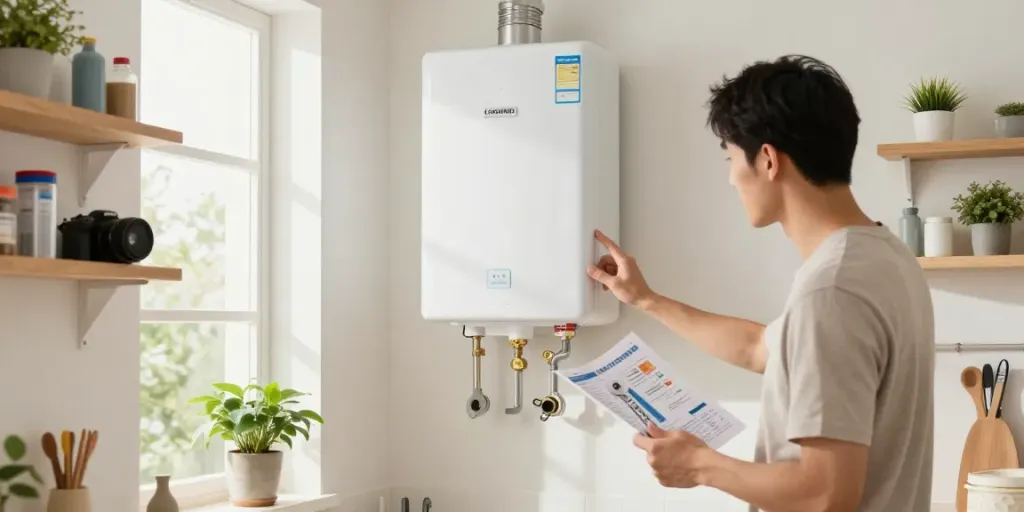
Deciding whether to install a hot water tank yourself or hire a professional can impact both the performance and safety of the system. Understanding the installation process can help in making this choice.
Steps to DIY Install a Hot Water Tank
If you opt for a DIY installation, follow these general steps:
- Turn off the water and power supply to the existing heater.
- Drain the old tank completely and disconnect it from the plumbing and electrical sources.
- Install the new tank according to the manufacturer's instructions, ensuring that it is leveled and securely connected.
- Reattach the plumbing and electrical systems, and carefully refill the tank.
- Once the tank is filled, turn on the power and check for leaks.
When to Call a Licensed Plumber
While a DIY installation can save money, it's best to hire a licensed plumber if you are unfamiliar with plumbing systems or if local codes require professional installation. Additionally, complex installations, like relocating a water heater or integrating it with a solar system, should be performed by an expert.
Common Installation Mistakes to Avoid
To avoid potential pitfalls, consider the following common mistakes:
- Improperly connecting the tank to the water supply or electrical systems, which can lead to leaks or damage.
- Failing to adequately insulate the tank, which can result in energy loss.
- Neglecting local building codes, resulting in fines or hazardous conditions.
Maintenance Tips for Hot Water Tanks
Regular maintenance is crucial for extending the lifespan of your hot water tank and ensuring efficient operation. A well-maintained system can also prevent costly repairs and replacements.
Routine Maintenance: What to Check and When
Homeowners should perform basic maintenance tasks at least once a year:
- Check the pressure relief valve to ensure it's functioning properly.
- Flush the tank to remove sediment buildup, which can affect efficiency.
- Inspect the anode rod, which helps prevent corrosion inside the tank.
Signs Your Hot Water Tank Needs Repair
Be on the lookout for the following indicators that your hot water tank may need repair:
- Leaking water around the tank
- Inconsistent water temperature
- Unusual noises like popping or rumbling sounds
Energy Efficiency Improvements for 2026
Staying informed about emerging technologies can help you enhance your hot water tank's efficiency. Consider options like installing a timer to reduce usage during peak energy rates or investing in an insulated tank jacket to minimize heat loss.
Future Trends in Hot Water Tank Technology
The hot water tank industry is rapidly evolving, with new technologies aimed at improving efficiency and user experience. Homeowners must stay aware of these innovations to make informed purchases.
Emerging Innovations in Hot Water Heating
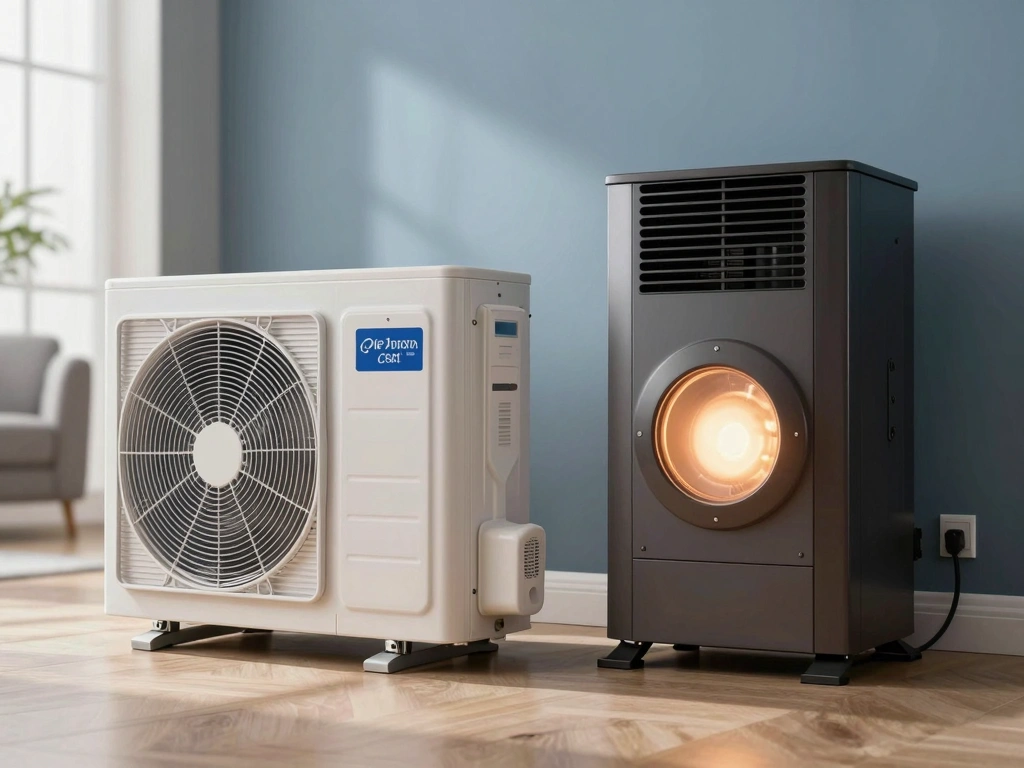
Recent advancements include hybrid water heaters that combine traditional heating elements with efficient heat pump technology. These systems can greatly reduce energy consumption while providing a consistent hot water supply.
How Smart Technology is Changing Hot Water Usage
Smart water heaters that can be controlled via smartphone apps are becoming increasingly popular. These models allow for remote monitoring and can adjust their operation based on usage patterns, providing more savings and control.
Projected Trends for Homeowners by 2026
By 2026, we can expect to see further innovations, including enhanced energy-efficient models and increased integration with home automation systems. Homeowners will benefit from ongoing energy efficiency incentives and a greater focus on sustainable energy solutions.
What is the average lifespan of a hot water tank?
The average lifespan of a hot water tank ranges from 10 to 15 years, depending on maintenance, type, and usage. Regular maintenance can significantly extend this lifespan.
How can I boost the energy efficiency of my hot water tank?
To improve energy efficiency, consider insulating the tank, lowering the thermostat setting, and ensuring proper installation. Regular maintenance also plays a critical role in optimizing performance.
When should I replace my hot water tank?
Replace your hot water tank if it’s over 10 years old, shows signs of corrosion, or frequently needs repairs. These issues can indicate that it’s time for an upgrade.
Are tankless water heaters worth it?
Tankless water heaters offer numerous benefits, including energy efficiency and unlimited hot water. They are worth considering, particularly for large households with high hot water demands.
What maintenance do hot water tanks require?
Maintenance tasks include flushing the tank, checking connections, and inspecting the anode rod. For more information, Hot Water Tanks offers valuable insights. Regular checks can help prevent costly repairs and ensure a longer lifespan.