Understanding the Benefits of a wifi Sprinkler Controller
Garnering the right tools for effective gardening has never been more crucial, especially as we face challenges like water scarcity and fluctuating weather patterns. The introduction of smart devices, particularly the wifi sprinkler controller, has transformed how we approach irrigation and plant care. These innovative devices not only promise convenience but also ensure that your plants receive the optimal amount of water they need to thrive. This guide will delve into the specific benefits of wifi sprinkler controllers, how they work, their key features, and their environmental impact.
What is a wifi Sprinkler Controller?
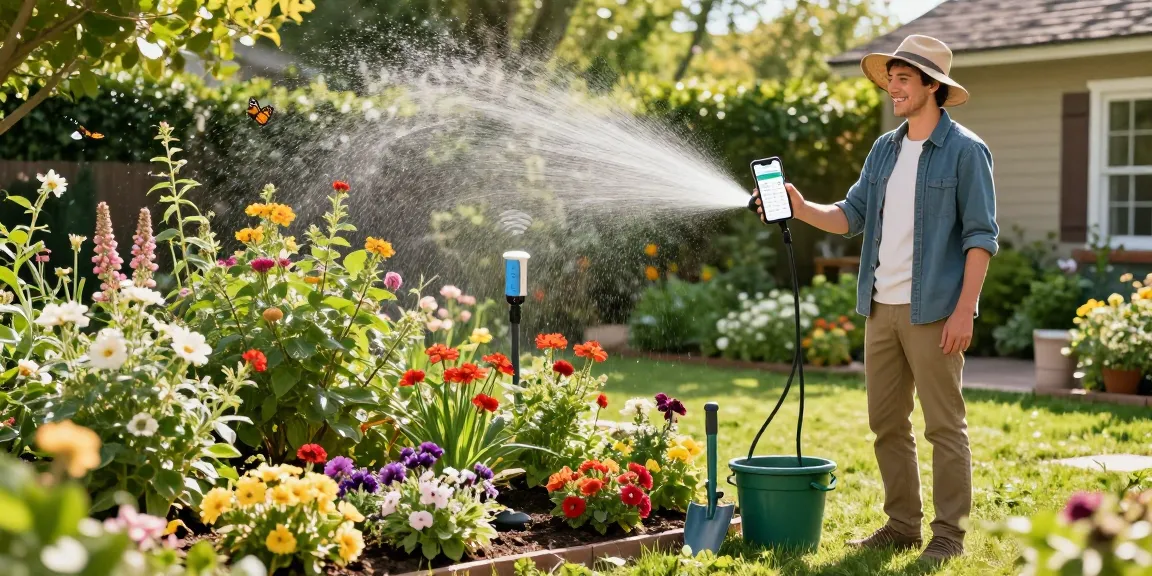
A wifi sprinkler controller is an advanced irrigation system that connects to your home’s wireless network, allowing you to manage your watering schedule remotely through a smartphone app. Unlike traditional timers, which operate on fixed schedules, wifi controllers can be adjusted based on real-time data from weather updates, soil moisture levels, and user preferences. This level of connectivity ensures that you always have control over your water usage, leading to healthier plants and savings on your water bill.
Key Features and Advantages
- Remote Access: With a wifi sprinkler controller, you can manage watering from anywhere. Whether you're at work or on vacation, you can adjust schedules and monitor moisture levels through a dedicated app.
- Weather Adaptation: Many wifi controllers use local weather data to adjust watering schedules automatically, ensuring that your plants are watered only when necessary.
- Soil Moisture Sensors: These devices can be equipped with sensors that measure soil moisture, preventing over-watering and allowing for precision irrigation.
- Analytics and Reporting: Users gain insights into water consumption patterns, helping them make informed decisions and reduce waste.
Cost Savings and Environmental Impact
The financial and ecological advantages of using a wifi sprinkler controller are significant. By optimizing watering schedules, these devices can reduce water usage by up to 50%. This reduction translates into lower water bills and a decreased environmental footprint, making them an ideal choice for eco-conscious gardeners. Additionally, as municipalities increasingly impose water restrictions during droughts, having a system that operates efficiently can save you from penalties and keep your plants healthy.
Setting Up Your wifi Sprinkler Controller for Optimal Performance
Setting up your wifi sprinkler controller can initially seem daunting; however, with the right guidance, it becomes a straightforward process. This section outlines a step-by-step installation guide that emphasizes optimal performance and integration with your existing smart home systems.
Step-by-Step Installation Guide
- Gather Your Tools: Ensure you have all necessary tools, including a screwdriver, pliers, and wire strippers, as well as your wifi controller and its components.
- Remove the Old Timer: Turn off the water supply and detach the existing sprinkler timer from your system.
- Connect the New Controller: Follow the manufacturer’s instructions to connect the new wifi sprinkler controller to the water supply, ensuring all fittings are secure.
- Power It Up: Connect the controller to a power source and turn on the water supply.
- Download the App: Install the relevant app on your smartphone, then follow the instructions to pair it with your sprinkler system.
Integrating with Smart Home Systems
Many wifi sprinkler controllers are compatible with other smart home devices, such as assistants like Google Home or Amazon Alexa. By integrating these systems, you can use voice commands to manage your irrigation program effortlessly. This compatibility enhances the convenience factor, allowing you to monitor and adjust your watering schedules without ever needing to open the app.
Common Setup Challenges and Solutions
While most users find the installation process fairly easy, there can be challenges, such as connecting to wifi or syncing with the app. If you encounter issues, consider the following troubleshooting steps:
- Ensure that your wifi signal is strong in the area where the controller is installed.
- Check your router settings to confirm that the controller is allowed to connect.
- Restart both the controller and your smartphone to reset the connection process.
Best Practices for Water Usage and Plant Care
Once your wifi sprinkler controller is up and running, it’s essential to harness its capabilities effectively. Below are best practices that ensure optimal water usage and plant health.
How to Schedule Watering Efficiently
Establishing an efficient watering schedule is crucial for different types of plants. Generally, it's best to water early in the morning or late in the evening to minimize evaporation. Using the app, segment your garden into zones that correspond to plant types and their specific watering needs.
Utilizing Moisture Sensors for Precision
Incorporate soil moisture sensors to inform your watering schedule. These sensors provide real-time feedback about soil conditions, helping you avoid over or under-watering. This precision ensures your plants are healthy without wasting water, making it a sustainable choice for any gardener.
Seasonal Adjustments for Different Plants
As seasons change, so do your plants' watering needs. In summer, increased temperatures may require more frequent watering, while in winter, many plants need significantly less. Regularly check your moisture sensors and adjust your watering schedules accordingly to ensure optimal plant health throughout the year.
Monitoring and Adjusting Your System
After installation, continuous monitoring is critical to ensure your wifi sprinkler controller operates efficiently. Real-time data is your ally in making informed adjustments to your irrigation practices.
Using the App to Track Water Consumption
Most wifi controllers come with an app that provides insights into your water usage. Regularly reviewing this data can help you pinpoint inefficiencies or opportunities for further reductions in water consumption. By tracking usage patterns, you can also correlate your watering habits with plant health, allowing for more tailored care.
Identifying and Resolving Common Issues
Common issues might include uneven watering, sensor malfunctions, or connectivity problems. If you notice patches of your garden drying out or water pooling, inspect your system for clogs or blockages in the lines. Ensure that the moisture sensors are functioning correctly and adjust their settings as needed.
Utilizing Data for Improved Gardening
Leverage the insights gained from your watering patterns and plant responses to foster a more productive gardening experience. This can lead to healthier plants, reduced water usage, and overall increased satisfaction with your gardening efforts.
Future Trends in Smart Irrigation Technology for 2026
As technology continues to evolve, the future of smart irrigation systems looks promising. Innovations in wifi sprinkler controllers are making them more efficient, user-friendly, and integrated with broader smart home ecosystems.
Emerging Features in Wireless Sprinkler Systems
New technologies such as AI-driven weather prediction models and machine learning capabilities are set to enhance the functionality of wifi sprinkler controllers. These features will enable even deeper adaptability to specific environmental conditions, optimizing water use further than current systems.
Environmental Benefits of Advanced Controllers
The push for sustainability is driving research into more efficient irrigation systems. Future models will likely incorporate renewable energy sources, such as solar panels, to operate independently of the grid, further minimizing their environmental impact.
Anticipated Innovations in Gardening Automation
Beyond just watering, future controllers may manage a variety of agricultural tasks, including fertilization and pest control, all from the same app. This integrated approach will streamline gardening operations, making it easier for users to maintain healthy garden ecosystems.
What are the advantages of using wifi sprinkler controllers?
Wifi sprinkler controllers provide numerous advantages, including better water management, reduced utility costs, and increased convenience. They allow for remote monitoring and adjustments, ensuring plants receive tailored care based on their specific needs.
How easy is it to install a wifi sprinkler controller?
Most wifi sprinkler controllers are designed for simple installation, often involving connecting to existing irrigation systems and syncing with a device app. Many manufacturers provide comprehensive guides to facilitate the setup process.
What common issues do users face with wifi sprinkler controllers?
Users often face challenges such as connectivity issues, app syncing problems, and configuration difficulties. Addressing these typically involves checking signal strength, rebooting devices, or following detailed troubleshooting guides provided by the manufacturers.
Can I control my wifi sprinkler controller remotely?
Yes! One of the primary benefits of a wifi sprinkler controller is the ability to manage your watering schedule remotely via a smartphone or tablet app, providing convenience and flexibility.
What types of plants benefit most from smart irrigation?
Smart irrigation is beneficial for a variety of plants, particularly those that require specific watering schedules or moisture levels, such as delicate flowers, new trees, and vegetable gardens. The ability to adjust watering based on real-time conditions enhances plant health and growth.